


What are the symptoms of cold-dampness invading the bones?

Generally, "cold-dampness entering the bones" refers to a condition caused by pathogenic cold and dampness invading the bones, meridians, and collaterals. Its main symptoms include cold pain in the joints, heaviness in the limbs, stiffness in movement, dull and dark skin, and local sensitivity to cold. A detailed analysis is as follows:
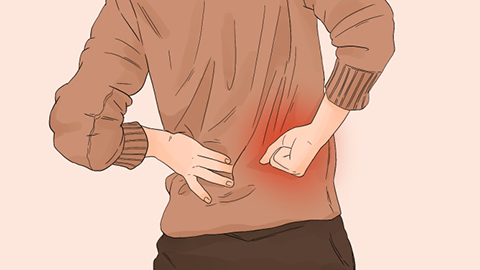
1. Cold joint pain: The most typical symptom of cold-dampness entering the bones is cold pain in the joints. The pain is often dull or aching and worsens in cold conditions but may be slightly relieved with warmth. The painful areas are fixed and commonly affect joints such as the lower back, knees, wrists, and ankles. Pain may become more noticeable at night, disrupting normal rest.
2. Heaviness in the limbs: When internal cold-dampness obstructs the circulation of qi and blood, a sensation of heaviness develops in the limbs. Lifting arms or legs may feel laborious, as if weighed down by heavy objects. This feeling intensifies during rainy or damp weather or after exposure to cold water and, in severe cases, may impair daily activities such as walking or physical work.
3. Stiffness in movement: Invasion by cold-dampness disrupts the smooth flow of qi and blood in the joints and meridians, leading to stiffness. Upon waking or after prolonged sitting, joint movement becomes inflexible; flexibility improves only after moving around for several minutes. Over time, this may gradually reduce the range of joint motion.
4. Dull and dark skin: Cold-damp pathogens impair superficial circulation of qi and blood, causing affected skin areas to appear dull, grayish, or uneven in tone. Mild swelling may also occur in some regions. When pressed, the skin rebounds slowly and may feel abnormally cold.
5. Localized sensitivity to cold: Affected areas constantly feel cold, even in warm environments, and the chill is difficult to dispel. Sensitivity intensifies during winter or after exposure to cold, and may progress to coldness or numbness in the extremities.
Individuals experiencing these symptoms should keep their limbs warm and avoid exposure to cold water or damp environments. Applying heat therapy or moxibustion may help relieve discomfort. Engaging in moderate exercise regularly can promote the circulation of qi and blood, helping to expel internal cold-dampness.


