


What should Rehmannia (Sheng Di) be combined with to remove damp-heat?

Common combinations of Rehmannia (Sheng Di) for clearing damp-heat include Poria, Coix seed, Alisma, Plantago seed, and Phellodendron bark. Detailed analysis is as follows:
1. Poria: Rehmannia nourishes yin and clears heat, while Poria promotes diuresis and resolves dampness. When used together, they address both yin deficiency and dampness removal. Poria helps expel internal damp-heat through urination, alleviating edema and difficult urination caused by damp-heat. Combined with Rehmannia, it prevents damage to yin during dampness elimination, making it suitable for individuals with yin deficiency accompanied by damp-heat.
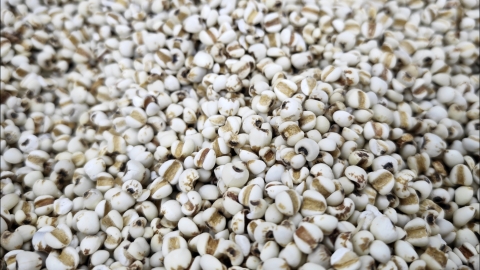
2. Coix Seed: Coix seed clears heat, resolves dampness, strengthens the spleen, and stops diarrhea. When combined with Rehmannia, its effects in clearing heat and eliminating dampness are enhanced. Coix seed helps resolve damp-heat in the spleen and stomach, improving diarrhea and thick greasy tongue coating due to damp-heat. Rehmannia nourishes yin and moistens dryness, counterbalancing the cold nature of Coix seed, making this combination ideal for those with damp-heat accompanied by yin deficiency and dry mouth.
3. Alisma: Alisma excels at promoting diuresis, resolving dampness, clearing heat, and relieving painful urinary symptoms. When paired with Rehmannia, their combined effect in clearing heat and removing dampness is strengthened. Alisma specifically targets damp-heat in the lower jiao, relieving symptoms such as short, dark yellow urine, dysuria, and painful urination. Rehmannia nourishes yin and cools the blood, complementing Alisma’s actions. This pairing is suitable for individuals with downward-diffusing damp-heat accompanied by yin deficiency.
4. Plantago Seed: Plantago seed clears heat, promotes urination, resolves dampness, and stops diarrhea. When combined with Rehmannia, it simultaneously addresses damp-heat clearance and yin-nourishment. Plantago seed clears damp-heat from the bladder, improving abnormal urination caused by damp-heat, while Rehmannia replenishes yin fluids, preventing excessive diuresis from depleting body fluids. This combination is appropriate for regulating constitutions with both damp-heat and yin deficiency.
5. Phellodendron Bark: Phellodendron bark clears heat, dries dampness, purges fire, and detoxifies, particularly effective against damp-heat in the lower jiao. When combined with Rehmannia, its ability to clear heat and resolve dampness is significantly enhanced. Phellodendron bark helps relieve symptoms such as yellow, sticky vaginal discharge and anal moisture caused by damp-heat. Rehmannia nourishes yin and reduces fire, balancing the bitter-cold nature of Phellodendron bark and preventing injury to the spleen and stomach.
When using Rehmannia in combination formulas for damp-heat, dosages should be adjusted according to individual constitution. Individuals with deficient-spleen and cold-stomach patterns should reduce the proportion of cold-natured herbs. It is recommended to use these combinations under the guidance of a qualified practitioner, avoiding self-formulation.


