


Can avascular necrosis of the femoral head heal on its own?
Dec 10, 2025
Source: Cainiu Health

Dr. Chen Jian
Introduction
Avascular necrosis of the femoral head cannot heal on its own. Its core pathology involves impaired or interrupted blood supply to the femoral head, leading to osteocyte death. The necrotic tissue cannot repair itself and will progressively worsen, potentially resulting in femoral head collapse and joint dysfunction. When symptoms such as hip pain and restricted movement occur, prompt medical evaluation at a reputable hospital's orthopedic or joint surgery department is necessary.
Femoral head necrosis cannot heal on its own. The core pathology involves impaired or interrupted blood supply to the femoral head, leading to bone cell death. The necrotic tissue cannot repair itself and will progressively worsen, potentially resulting in femoral head collapse and joint dysfunction. When symptoms such as hip pain and restricted movement occur, prompt medical evaluation at an orthopedic or joint surgery department of a正规 hospital is essential.
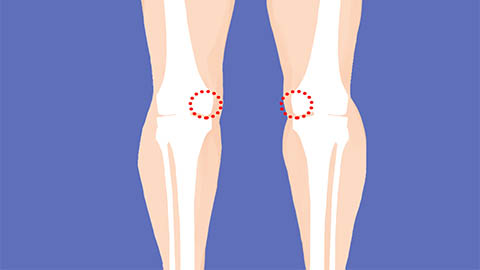
The course of femoral head necrosis is irreversible. Once bone cells undergo ischemic necrosis, they cannot regenerate or replace the dead tissue. As the disease progresses, the necrotic area gradually expands and bone density decreases, ultimately causing structural damage to the femoral head. Even if early symptoms are mild, normal blood flow and bone function cannot be restored through self-regulation.
Early intervention is key to slowing disease progression. Clinically, treatments such as medications to improve blood circulation or surgical procedures to restore blood supply are commonly used to prevent further deterioration. Delaying treatment may eventually necessitate total joint replacement after femoral head collapse, which not only increases treatment complexity but also negatively impacts quality of life. Therefore, once diagnosed, patients should follow medical advice and receive standardized treatment promptly.
In daily life, avoid weight-bearing activities to reduce pressure on the femoral head, and choose gentle forms of exercise. Keep the body warm and protect the hips from cold exposure. Maintain a balanced diet rich in calcium and vitamin D, quit smoking and alcohol, avoid medications that may impair blood flow, and establish regular sleep patterns to create favorable conditions for disease management.







