


How to treat rheumatic lumbar muscle strain
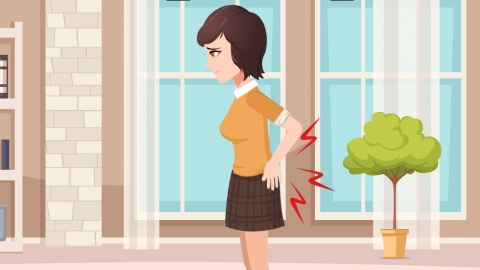
The management of rheumatic lumbar muscle strain primarily involves lifestyle modifications, medication, physical therapy, rehabilitation training, and traditional Chinese medicine (TCM), with individualized interventions based on the specific condition. If symptoms progressively worsen or numbness, weakness, or similar issues occur in the lower limbs, prompt medical attention is necessary.
1. Lifestyle Modifications: Avoid prolonged standing or sitting and bending while lifting heavy loads. Keep the lower back warm to prevent cold exposure, choose a mattress of medium firmness, maintain proper posture when sitting or standing, and reduce strain on the lower back.
2. Medication: Use non-steroidal anti-inflammatory drugs (NSAIDs) as prescribed by a physician to relieve pain and inflammation. Anti-rheumatic medications may also be used under medical guidance to control disease progression. Do not self-medicate or adjust dosages arbitrarily to avoid adverse effects.
3. Physical Therapy: Apply heat therapy, infrared radiation, ultrasound treatment, etc., to improve local blood circulation, reduce muscle spasms, and alleviate pain and discomfort. These therapies should be performed under the guidance of qualified healthcare professionals.
4. Rehabilitation Training: Perform core muscle exercises such as "flying swallow" and "five-point support" to strengthen back muscles and enhance spinal stability. Training should progress gradually to avoid overexertion.
5. Traditional Chinese Medicine (TCM): Utilize acupuncture, massage (tuina), moxibustion, and other TCM methods to unblock meridians, promote blood circulation, and resolve blood stasis, thereby reducing local discomfort. These treatments should be administered at正规 medical institutions by licensed TCM practitioners.
Daily care should emphasize keeping the lower back warm and avoiding cold and damp stimuli. Refrain from intense physical activity and heavy manual labor. Regularly move the waist to relax muscles. In terms of diet, consume adequate high-quality protein and calcium to improve musculoskeletal resilience. Maintain regular sleep patterns and avoid staying up late to support recovery.


