


What are the symptoms of lung deficiency cough, and how is it treated?

Symptoms of lung deficiency cough include weak coughing, clear and thin sputum, shortness of breath, fatigue, spontaneous sweating, and aversion to wind. Treatment methods include traditional Chinese medicine (TCM) regulation, acupuncture therapy, dietary adjustment, daily lifestyle care, and symptomatic supportive treatment. If symptoms persist for more than two weeks or worsen, it is recommended to seek timely medical attention at the respiratory department of a正规 hospital.
I. Main Symptoms
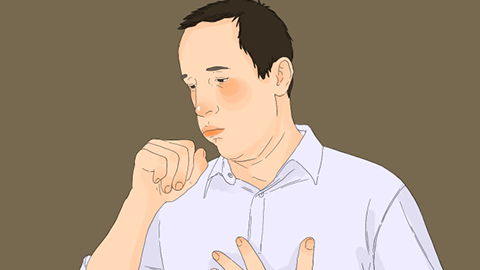
1. Weak Cough: The cough lacks strength, with a low and feeble voice, lasting for a prolonged period. It worsens after physical activity and is difficult to control voluntarily.
2. Clear and Thin Sputum: The expectorated sputum is watery and thin in consistency, appearing white or pale white, often in large amounts and difficult to expel. Some patients may notice foam mixed in the sputum.
3. Shortness of Breath and Wheezing: A sensation of inadequate breath during respiration; even mild exertion causes panting and rapid breathing. Mild wheezing may also occur at rest.
4. Fatigue and Lethargy: Poor overall mental state, easy exhaustion, generalized weakness, and sore limbs. Fatigue significantly increases after activity and does not quickly improve even after rest.
5. Spontaneous Sweating and Aversion to Wind: Sweating easily occurs during the day, even without activity or after minimal exertion. The skin feels cold after sweating, and there is sensitivity to wind exposure, which may lead to worsened cough or symptoms resembling a cold.
II. Treatment Methods
1. Traditional Chinese Medicine (TCM) Regulation: Based on syndrome differentiation, tonifying herbs such as Astragalus (Huangqi), Codonopsis (Dangshen), and Atractylodes (Baizhu) are commonly used for lung qi deficiency. For lung yin deficiency, nourishing-yin herbs like Adenophora (Shashen), Ophiopogon (Maizhong), and Solomonseal (Yuzhu) are preferred. Medicinal formulas should be prescribed under the guidance of a qualified TCM physician.
2. Acupuncture Therapy: Key acupoints such as Feishu (BL13), Shanzhong (CV17), Taiyuan (LU9), and Zusanli (ST36) are selected. Stimulation through needling or moxibustion helps regulate lung qi and blood circulation, improving pulmonary function. This should be performed by a licensed acupuncture practitioner.
3. Dietary Adjustment: Consume more foods that benefit lung and strengthen qi, such as Chinese yam, lily bulbs, tremella fungus, and red dates. Avoid raw, cold, spicy, and greasy foods to reduce irritation to the lungs.
4. Daily Lifestyle Care: Ensure adequate sleep and avoid staying up late, which can deplete lung qi. Engage in gentle exercises such as walking or tai chi to strengthen constitution. Pay attention to keeping warm and prevent chilling.
5. Symptomatic and Supportive Treatment: For significant difficulty in expectorating phlegm, mucolytic agents may be used under medical supervision. In cases of severe shortness of breath, supportive measures such as oxygen supplementation should be administered promptly to relieve discomfort.
Daily care should emphasize maintaining proper humidity, avoiding exposure to dust, smoke, and other irritants, ensuring indoor air circulation, maintaining regular作息, and minimizing physical strain. Gradual, gentle调理 can help restore lung function and promote recovery.


