


What is the difference between 16-valent pneumococcal vaccine and 23-valent pneumococcal vaccine?

The main differences between the 16-valent and 23-valent pneumococcal vaccines lie in aspects such as the range of covered serotypes, target populations, vaccination schedules, duration of immune protection, and contraindications or precautions. If you have any questions about vaccination or special health conditions, it is recommended to consult a healthcare professional before receiving the vaccine.
1. Covered Serotypes: The 16-valent vaccine protects against 16 common pathogenic serotypes of Streptococcus pneumoniae, while the 23-valent vaccine covers 23 serotypes. The latter offers broader coverage and more comprehensive prevention against infections caused by multiple serotypes.
2. Target Populations: The 16-valent vaccine is suitable for infants and children aged 6 weeks to 5 years. The 23-valent vaccine is primarily intended for children over 2 years of age, adults, and the elderly, especially recommended for older individuals and those with underlying medical conditions.
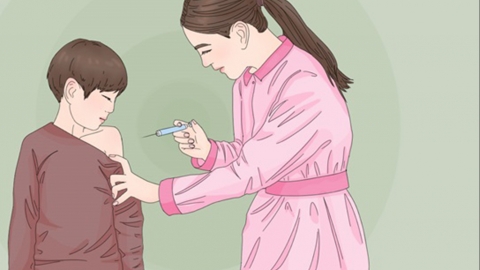
3. Vaccination Schedule: The 16-valent vaccine requires administration according to a primary series plus booster dose schedule, with varying number of doses and intervals depending on age. For healthy individuals aged 2 years and older, the 23-valent vaccine typically requires a single dose; individuals with underlying conditions or the elderly may receive a revaccination after an interval of 5 years if necessary.
4. Duration of Immune Protection: The 16-valent vaccine induces long-lasting antibody levels, providing prolonged protection for infants and young children. Antibody levels following the 23-valent vaccine last approximately 5 years, and revaccination can extend the duration of protection.
5. Contraindications and Precautions: Both vaccines are contraindicated in individuals with known allergies to any vaccine component. Administration of the 16-valent vaccine should be postponed in individuals with fever or during acute illness. Caution and medical evaluation are advised when administering the 23-valent vaccine to individuals with severe cardiopulmonary insufficiency.
After vaccination, remain at the vaccination site for 30 minutes of observation. Keep the injection site clean and dry, and avoid scratching to prevent infection. Maintain a light diet and avoid spicy or irritating foods. Mild reactions such as low-grade fever or local redness and swelling usually resolve spontaneously and do not require specific treatment.


