


Elderly person suddenly develops fever and chills without having a cold, fever subsides but then recurs.

Older adults may suddenly develop fever and chills without cold-like symptoms, and the fever may recur after subsiding. This could be caused by infectious diseases, non-infectious conditions, drug-induced fever, or other underlying issues. Immediate medical evaluation is necessary to identify the cause and prevent treatment delays.
1. Seek timely medical evaluation: Go to the hospital promptly for tests such as complete blood count, inflammatory markers, and chest X-ray to determine the root cause of the fever. This provides a basis for targeted treatment and helps avoid inappropriate medication use.
2. Monitor vital signs properly: Regularly measure body temperature, pulse, and blood pressure. Record patterns of temperature changes and observe mental status, appetite, and any other discomforts to provide accurate information for clinical assessment.
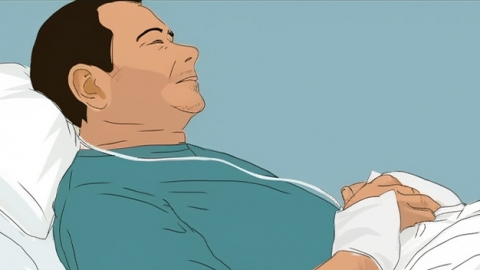
3. Appropriate symptomatic management: When body temperature exceeds 38.5°C, use antipyretic medications under medical guidance. Avoid self-medicating or overdosing. Physical cooling methods can also be used to help relieve discomfort.
4. Ensure adequate nutrition and hydration: Encourage the elderly person to drink warm water in small amounts frequently to replace fluids lost during fever. Provide light, easily digestible meals to ensure sufficient nutrient intake and support immune function.
5. Prevent fatigue and cold exposure: Ensure the older adult gets ample rest and minimizes physical activity. Maintain a comfortable indoor temperature, avoid drafts and cold exposure, and prevent worsening or recurrence of illness.
During care, maintain good indoor ventilation, limit visitors to reduce the risk of cross-infection, keep the skin clean, change into comfortable clothing regularly, closely monitor changes in mental status, and provide sufficient companionship and support to promote recovery.


