


What are the disinfection and sterilization methods for thick sputum?

Methods for disinfecting and sterilizing thick sputum include heat disinfection, chemical disinfectant methods, ultraviolet (UV) irradiation, incineration, and sealed container disinfection. If thick sputum is accompanied by symptoms such as significant blood streaks, foul odor, or persistent fever, prompt medical attention is required.
1. Heat disinfection method: Place the thick sputum-containing secretions into boiling water and boil for 15 to 30 minutes, or process using a steam sterilizer. High temperatures destroy the protein structure of pathogens, achieving thorough disinfection. This method is suitable for contaminants that can withstand high temperatures.
2. Chemical disinfectant method: Use chlorine-containing disinfectants, peracetic acid, etc., dilute according to recommended ratios, thoroughly mix with the thick sputum, and allow sufficient contact time. Pathogens are killed through chemical action, making this method suitable for disinfection in various settings.
3. Ultraviolet irradiation method: Place sputum-contaminated items under a UV germicidal lamp at an appropriate distance for at least 30 minutes. UV light destroys pathogen nucleic acids to achieve disinfection. Direct exposure of the human body to UV radiation must be avoided.
4. Incineration method: Place thick sputum and contaminated materials into a dedicated incinerator for burning. The high temperature completely eliminates all types of pathogens, providing thorough disinfection. This method is suitable for small amounts of waste with no recycling value.
5. Sealed container disinfection method: Place thick sputum into a sealed container, add an appropriate amount of disinfectant, seal the container, and let it stand for a specified period. The enclosed environment enhances disinfection effectiveness and prevents pathogen spread. This method is ideal for transporting sputum-contaminated waste.
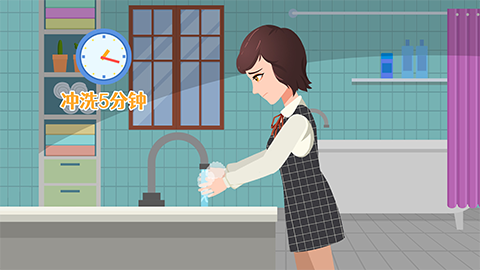
In daily care, ensure good environmental ventilation. Wear masks and gloves when handling thick sputum, and wash hands thoroughly with running water and hand soap immediately after contact. Store contaminated items separately and disinfect them promptly to minimize the risk of pathogen transmission.


