


What is the difference between a lung nodule and a tumor?

Lung nodules and tumors differ fundamentally in terms of definition, nature, imaging characteristics, clinical significance, and management principles. If abnormal lung shadows are detected, it is recommended to seek timely evaluation from a pulmonologist or thoracic surgeon.
1. Definition: A lung nodule is an imaging term referring to a round or oval-shaped lesion in the lung with a diameter ≤3 cm. A tumor, by contrast, is a pathological diagnosis describing a mass formed by abnormal cell proliferation, which can be either benign or malignant.
2. Nature: Lung nodules may represent benign conditions such as inflammation, tuberculoma, or hamartoma, or they may indicate early-stage malignant tumors. Tumors are classified as benign or malignant, with malignant tumors exhibiting invasiveness and potential for metastasis.
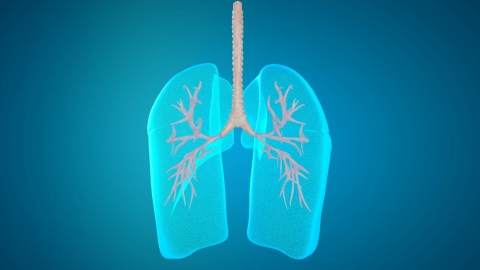
3. Imaging characteristics: Benign lung nodules typically have well-defined margins and uniform density, while suspicious malignant nodules often show blurred edges, lobulation, spiculation, or heterogeneous density. Benign tumors usually appear regular in shape and grow slowly, whereas malignant tumors tend to be irregular and invade surrounding tissues.
4. Clinical significance: Most lung nodules are asymptomatic; only some malignant nodules may cause symptoms such as cough or hemoptysis. Benign tumors often cause mild or no symptoms, while advanced malignant tumors may lead to systemic manifestations including weight loss, fatigue, and dyspnea.
5. Management principles: Lung nodules require periodic follow-up or further diagnostic tests based on size and morphology to determine their nature. Asymptomatic benign tumors may be monitored, while those causing compression symptoms may require surgical removal. Malignant tumors generally require early and comprehensive treatment, including surgery, radiotherapy, and chemotherapy.
In daily life, maintain a regular routine, quit smoking and avoid secondhand smoke, minimize exposure to dust and harmful gases, eat a balanced diet rich in vitamins and protein, exercise moderately to strengthen lung function, and undergo regular lung health screenings.


