


What could be the cause of rapid breathing without any other symptoms, and what should I do?

Shortness of breath without other symptoms may be caused by intense exercise, emotional excitement, oxygen-deficient environments, bronchial asthma, or arrhythmia. Symptoms can be improved through rest, calming emotions, improving the environment, or medication. If shortness of breath worsens or is accompanied by chest pain or dizziness, prompt medical attention is required.
1. After intense exercise: High-intensity physical activity over a short period significantly increases the body's oxygen consumption, leading to rapid breathing and breathlessness. Symptoms usually gradually subside with rest. It is recommended to stop exercising immediately and sit or stand still while taking slow, deep breaths. Avoid drinking large amounts of water quickly to prevent increasing bodily strain.
2. Emotional excitement: Intense emotions such as extreme tension or anxiety can accelerate heart rate and cause rapid breathing. Symptoms typically resolve once emotions stabilize. Practicing mindfulness meditation, slow exhalation, and shifting attention away from breathing patterns can help regain emotional control.
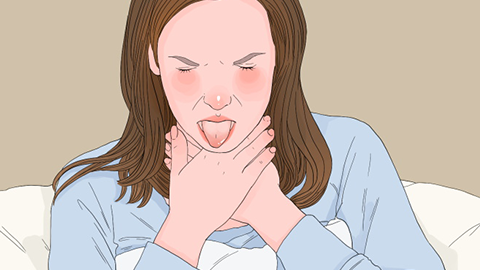
3. Oxygen-deficient environment: In enclosed, crowded, or high-altitude areas where oxygen levels are low, shortness of breath may occur due to insufficient oxygen intake. It is advisable to move promptly to a well-ventilated, fresh-air environment and take deep breaths to restore oxygen levels and relieve discomfort.
4. Bronchial asthma: Airway hyperresponsiveness can lead to bronchospasm upon minor stimulation, causing shortness of breath, which may worsen at night or in the early morning. Patients may use medications such as salbutamol aerosol, budesonide/formoterol powder inhaler, or montelukast sodium tablets under medical guidance to alleviate symptoms.
5. Arrhythmia: Abnormal heart rhythms reduce cardiac pumping efficiency, leading to systemic oxygen deficiency and resulting in shortness of breath. Medications such as metoprolol succinate extended-release tablets, Wenxin granules, or amiodarone tablets may be used under a doctor’s supervision to relieve symptoms.
Maintain a regular routine and avoid excessive fatigue. Engage in mild exercises such as walking or jogging to strengthen cardiopulmonary function. Keep indoor spaces well-ventilated, practice diaphragmatic breathing when emotionally stable, and maintain a balanced diet rich in nutrients to support heart and lung health.


