


What causes coughing when exposed to wind?

Coughing when exposed to wind may be caused by airway irritation from cold air, sensitive respiratory mucosa, dust in the wind, allergic cough, or acute pharyngitis. This can be improved by staying warm, avoiding irritants, and using medication. If cough persists or is accompanied by wheezing or sore throat, prompt medical attention is needed.
1. Airway irritation from cold air: Cold wind directly stimulates the respiratory mucosa, causing it to constrict and spasm, triggering reflexive coughing, typically manifesting as paroxysmal dry cough. It is recommended to wear a mask over the mouth and nose when going outdoors to prevent direct exposure to cold air, and to drink warm water during coughing episodes to soothe the airways.
2. Sensitive respiratory mucosa: Due to individual constitution, the respiratory mucosa has poor tolerance and becomes easily irritated by wind exposure, leading to cough without other obvious discomfort. It is recommended to strengthen physical fitness through regular exercise, adjust clothing according to temperature changes, and reduce external stimuli.
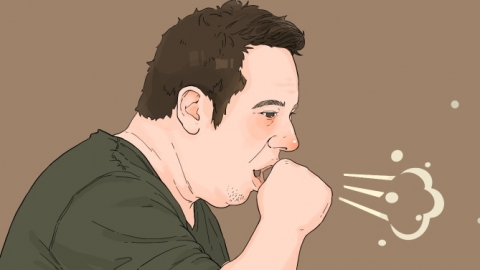
3. Dust irritation in wind: Dust, pollen, or other particles carried by the wind may be inhaled, irritating the respiratory tract and causing cough, possibly accompanied by throat itching. It is recommended to take protective measures when going outside, rinse the mouth and clean the nasal cavity upon returning home, and maintain respiratory hygiene.
4. Allergic cough: After exposure to allergens such as cold air or house dust mites, an allergic reaction occurs in the airways, resulting in cough—usually an irritative dry cough that may worsen at night or in the early morning. It is recommended to use medications such as loratadine syrup, montelukast sodium chewable tablets, or budesonide inhaler under medical guidance to relieve symptoms.
5. Acute pharyngitis: When there is existing inflammation in the pharyngeal mucosa, exposure to wind may lead to further irritation from cold air or dust, worsening the inflammation and causing cough along with soreness, swelling, and dryness in the throat. Patients may follow medical advice to use medications such as amoxicillin capsules, Pudilan anti-inflammatory oral liquid, or watermelon frost lozenges to alleviate discomfort.
In daily life, maintain warmth to avoid direct exposure to cold wind, wear a mask outdoors to reduce dust irritation, keep indoor air humidified, drink plenty of water to moisten the throat, eat a light diet avoiding spicy and irritating foods, and maintain regular sleep patterns to enhance respiratory resistance.


