


What causes wheezing after coughing for a month, and what should be done?

Coughing for a month accompanied by wheezing may be caused by sensitive respiratory mucosa, airway secretion accumulation, chronic bronchitis, bronchial asthma, pneumonia, etc. Symptoms can be improved by avoiding irritants, promoting sputum expulsion, and medication. If wheezing worsens or is accompanied by difficulty breathing or fever, prompt medical attention is necessary.
1. Sensitive respiratory mucosa: Long-term exposure to dust, cold air, and other irritants can place the respiratory mucosa in a state of hyperresponsiveness, leading to persistent cough and wheezing as airflow passes through the sensitive airways. It is recommended to avoid irritating environments, wear masks for protection, and maintain indoor humidity between 50%–60%.
2. Airway secretion accumulation: Prolonged unresolved cough can lead to thick, sticky secretions that are difficult to expel, obstructing the airways and causing impaired airflow, resulting in cough with wheezing. It is advised to drink sufficient warm water daily and gently pat the back to promote expectoration, preventing further accumulation of mucus and worsening symptoms.
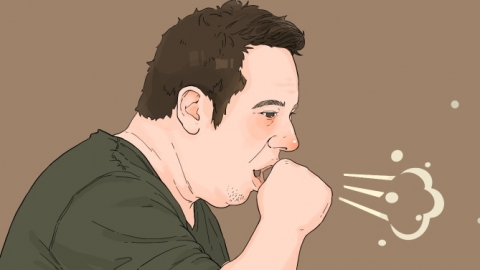
3. Chronic bronchitis: Long-term inflammation irritates the airway mucosa, damaging its structure and increasing secretions, which leads to persistent cough. Airway narrowing causes wheezing during breathing, often accompanied by phlegm production. Patients may use medications such as aminophylline tablets, ambroxol hydrochloride oral solution, and cefuroxime axetil tablets under medical guidance to alleviate symptoms.
4. Bronchial asthma: Airway spasms and constriction cause recurrent coughing. During attacks, narrowed airways produce wheezing sounds when breathing, often accompanied by chest tightness and shortness of breath. It is recommended to use salbutamol aerosol, budesonide suspension, montelukast sodium chewable tablets, and other medications under medical supervision to relieve discomfort.
5. Pneumonia: Inflammation caused by bacterial or viral infection in the lungs leads to persistent cough due to inflammatory stimulation. Increased airway secretions and airway edema result in cough with wheezing, possibly accompanied by low-grade fever. Patients may take levofloxacin capsules, amoxicillin-clavulanate potassium tablets, acetylcysteine effervescent tablets, and other medications as prescribed to improve symptoms.
Maintain good indoor ventilation and fresh air. Eat a light, easily digestible diet rich in fresh fruits and vegetables. Avoid spicy and greasy foods. Maintain regular sleep patterns and avoid staying up late. Engage in moderate physical exercise to strengthen the body and reduce episodes of respiratory discomfort.


