


What causes sudden lower back soreness?

Sudden lower back soreness is generally caused by sudden postural changes, excessive loading, lumbar muscle strain, facet joint dysfunction of the lumbar spine, pyelonephritis, or other reasons. If discomfort occurs, it is recommended to seek timely medical evaluation and treatment at a正规 hospital. Detailed analysis is as follows:
1. Sudden postural change: Suddenly bending over or twisting the body can cause instantaneous stretching of the lower back muscles, leading to spasmodic pain. Immediately stop the movement, slowly adjust to a comfortable posture, gently massage the back muscles with your hands, and avoid sudden forceful movements.
2. Excessive loading: Lifting heavy objects suddenly may place pressure on the lower back beyond its capacity, causing minor muscle fiber damage and resulting in soreness. Put down the heavy object, rest in bed, support the lower back with a soft pillow, and apply cold compresses within the first 48 hours to relieve pain.
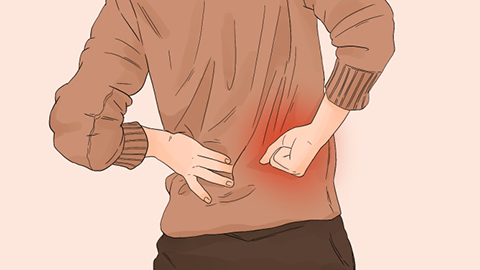
3. Lumbar muscle strain: Acute symptoms may occur on the basis of chronic strain, triggering aseptic inflammation in the lumbar muscles, causing significant soreness. Medications such as diclofenac diethylamine gel, ibuprofen tablets, or flurbiprofen gel patches may be used under medical guidance, along with rest and immobilization of the lower back.
4. Lumbar facet joint dysfunction: Misalignment or impingement of the small spinal joints may lead to sudden lower back soreness accompanied by restricted movement. Under medical supervision, medications such as eperisone hydrochloride tablets, celecoxib capsules, or vitamin B1 tablets may be prescribed. In severe cases, lumbar facet joint reduction surgery may be required.
5. Pyelonephritis: Bacterial infection of the renal pelvis causes inflammation, which stimulates the tissues in the lower back, resulting in unilateral or bilateral back soreness, often accompanied by frequent urination and fever. Antibiotics such as cefuroxime axetil tablets, levofloxacin capsules, or amoxicillin-clavulanate potassium tablets may be used under medical guidance. Drinking plenty of water helps promote urination and flush out bacteria.
In daily life, avoid sudden bending or lifting heavy objects; keep movements slow and smooth. Maintain proper sitting posture to reduce strain on the lower back. Strengthen exercises for the back and waist muscles to improve spinal stability. Seek prompt medical attention if lower back soreness is accompanied by fever or frequent urination to rule out infection.


