


Who should not eat lily bulbs

Lilies have various health benefits such as nourishing yin and moistening the lungs, but they are not suitable for everyone. People who should avoid consuming lilies include those with deficient spleen and stomach yang, wind-cold cough, loose stools, excessive phlegm-dampness, or those allergic to lilies. The detailed explanation is as follows:
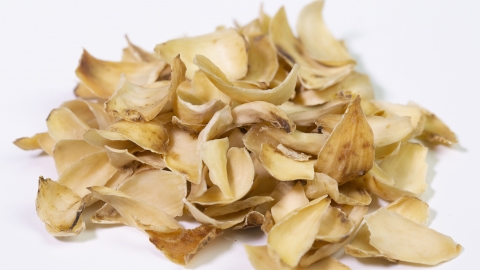
1. People with deficient spleen and stomach yang: These individuals often experience symptoms such as cold abdominal pain, preference for warmth and pressure, and poor appetite. Since lily bulbs are slightly cold in nature, consuming them may increase internal coldness in the spleen and stomach, worsening discomforts like bloating and diarrhea.
2. People with wind-cold cough: Wind-cold cough is typically characterized by chills, fever, heavy-sounding cough, and clear, white sputum. Lilies are effective for nourishing yin and better suited for dry-heat or yin-deficient cough. Consuming lilies in cases of wind-cold cough may hinder the expulsion of cold pathogens and exacerbate cough symptoms.
3. People with loose stools: Lilies contain a relatively high amount of dietary fiber and are slightly cold in nature. Individuals with loose stools usually have weak digestive function; consuming lilies may irritate the intestines, accelerate intestinal motility, increase bowel movements, and worsen physical discomfort.
4. People with excessive phlegm-dampness: Such individuals commonly present with thick, greasy tongue coating, sticky mouth sensation, heavy limbs, chest tightness, and abdominal distension. The rich and greasy nature of lilies may aggravate retention of phlegm-dampness in the body, making the above symptoms more pronounced.
5. People allergic to lilies: Some individuals may develop allergic reactions such as skin itching, rashes, or sore throat after contact with or consumption of lilies. These individuals must strictly avoid lily consumption to prevent allergic episodes.
When consuming lilies, it's important to be aware of contraindications and precautions, selecting them appropriately according to one’s own constitution to ensure safety and suitability.


