


Why does liver fire become excessive?

Excessive liver fire is mainly triggered by factors such as emotional imbalance, irregular diet, disrupted作息 (daily routines), constitutional imbalances, and external contraction of heat pathogens. If persistent symptoms such as headache, bitter taste in the mouth, irritability, anger, and accompanying distending pain in the hypochondriac region occur, prompt medical attention is necessary.
1. Emotional Imbalance: Prolonged anxiety, irritability, or depression can lead to stagnation of liver qi, which may transform into fire over time, impairing the liver's function of free coursing and dispersion. This commonly occurs in individuals under high stress or with frequent emotional fluctuations.
2. Irregular Diet: Consuming excessive spicy, stimulating, greasy, or rich-flavored foods, or chronic alcohol abuse, increases the metabolic burden on the liver, promoting internal heat that triggers liver fire. Individuals who habitually prefer strong-tasting foods are particularly susceptible.
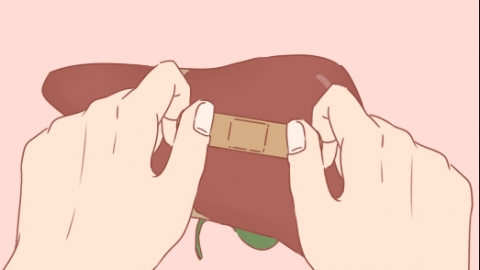
3. Disrupted Daily Routines: Chronic late-night habits and sleep deprivation prevent the liver from adequate rest, leading to poor circulation of qi and blood, deficiency of liver yin, and internal generation of deficient fire. This pattern is commonly seen among office workers or others with irregular lifestyles and frequent熬夜 (staying up late).
4. Constitutional Imbalance: Some individuals have an inherently yin-deficient constitution, with pre-existing insufficiency of liver yin, making it difficult to restrain yang qi. This predisposes them to ascending deficient fire and excessive liver fire. Such cases are often related to innate predispositions or acquired depletion over time.
5. External Contraction of Heat Pathogens: Invasion by external pathogenic factors such as wind-heat or damp-heat, which fail to be cleared promptly, may become lodged in the liver channel, causing exuberant liver fire. This is often accompanied by exterior symptoms such as fever and sore throat.
Treatment primarily focuses on soothing the liver and clearing fire, as well as nourishing yin to reduce fire. Relevant medications may be used under professional guidance. For daily care, it is important to maintain a cheerful mood, eat a light and easily digestible diet, follow regular作息 (daily routines) with sufficient sleep, and avoid overwork and intense emotional fluctuations, thereby supporting the liver’s recovery to normal function.


