


What should I do for stomach food retention and indigestion?

Generally, gastric food retention and indigestion may be caused by overeating, lack of physical activity, functional dyspepsia, chronic gastritis, pyloric obstruction, or other reasons. Patients can choose appropriate management methods such as lifestyle adjustments, medication, or surgery based on their specific conditions. Detailed analysis is as follows:
1. Overeating: Consuming excessive amounts of food in a short period exceeds the stomach's capacity, leading to insufficient digestive enzyme secretion and resulting in food accumulation. Avoid hard-to-digest foods, perform clockwise abdominal massage, and take a walk after meals to promote gastrointestinal motility.
2. Lack of physical activity: Prolonged sedentary behavior slows gastrointestinal motility, prolonging food retention in the stomach and causing food accumulation. Engage in 30 minutes of brisk walking or jogging daily, and avoid lying down immediately after meals; light physical activity is recommended.
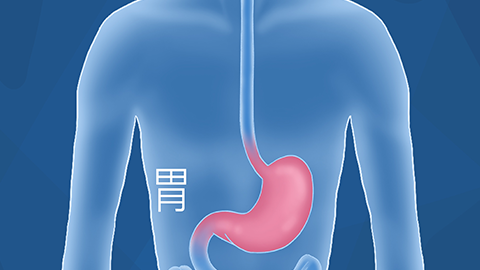
3. Functional dyspepsia: Gastrointestinal motility disorders and delayed gastric emptying lead to bloating and a sensation of food retention. Under medical guidance, patients may take medications such as domperidone tablets, Jianwei Xiaoshi tablets (digestive health tablets), or lactase tablets. Maintain regular eating habits and avoid binge eating.
4. Chronic gastritis: Inflammation of the gastric mucosa reduces digestive function, impairing food digestion and absorption and leading to food retention, often accompanied by stomach pain and acid reflux. Follow medical advice to use medications such as omeprazole enteric-coated capsules, aluminum magnesium carbonate chewable tablets, or mosapride tablets. Avoid spicy and irritating foods.
5. Pyloric obstruction: Narrowing or blockage at the pylorus prevents gastric contents from passing through smoothly, causing severe food retention and vomiting. Immediate medical attention is required. Procedures such as pyloric dilation or, in severe cases, gastrojejunostomy may be necessary. After surgery, follow a liquid diet regimen.
Develop the habit of chewing slowly and thoroughly, stopping at about 70–80% fullness during meals. Consume more vegetables, whole grains, and other high-fiber foods to support digestion. Maintain a regular sleep schedule and avoid staying up late, which can disrupt gastrointestinal function. If food retention occurs frequently, seek timely medical evaluation to identify underlying causes.


