


What does it mean when my buttocks feel numb?
Dec 12, 2025
Source: Cainiu Health

Dr. Li Feng
Introduction
In general, numbness in the buttocks may be caused by prolonged sitting and pressure, poor posture, sciatica, lumbar disc herniation, piriformis syndrome, or other reasons. If discomfort occurs, it is recommended to seek timely medical evaluation and treatment at a正规 hospital. In daily life, avoid sitting for extended periods; get up and move around regularly; maintain proper sitting posture; choose appropriate seating; and strengthen exercises for the back and core muscles.
Generally, numbness in the buttocks may be caused by prolonged sitting and compression, poor posture, sciatica, lumbar disc herniation, piriformis syndrome, or other reasons. If discomfort occurs, it is recommended to seek timely medical evaluation and treatment at a正规 hospital. Specific analysis is as follows:
1. Prolonged Sitting and Compression: Remaining seated for extended periods without changing position can compress blood vessels and nerves in the buttocks, obstructing blood circulation and leading to nerve ischemia and numbness. It is advisable to stand up and move every 30 minutes, performing squats or heel raises to promote blood flow in the buttocks.
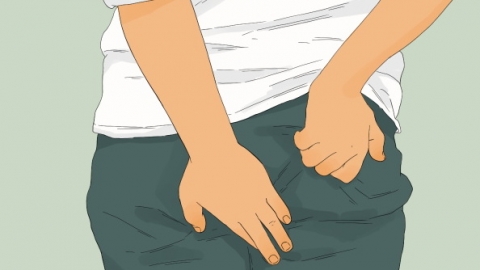
2. Poor Posture: Slouching or placing excessive weight on one side of the buttocks can stretch and irritate the nerves, causing localized numbness. Adjust your sitting posture to keep the back straight, avoid sitting on one side for long periods, and choose a chair with moderate firmness.
3. Sciatica: Irritation or compression of the sciatic nerve causes pain and numbness that radiates from the buttocks down the leg, often accompanied by a stabbing sensation. Medications such as celecoxib capsules, mecobalamin tablets, and vitamin B1 tablets may be used under medical guidance, along with heat therapy to relieve symptoms.
4. Lumbar Disc Herniation: Protrusion of the lumbar intervertebral disc compresses nerve roots, resulting in numbness extending from the lower back and buttocks down to the legs. Under a doctor's supervision, medications like ibuprofen sustained-release capsules, eperisone hydrochloride tablets, and diclofenac sodium enteric-coated tablets may be prescribed. In severe cases, percutaneous endoscopic discectomy may be required.
5. Piriformis Syndrome: Spasm and edema of the piriformis muscle compress the sciatic nerve, causing buttock numbness and limited mobility. Treatments may include flurbiprofen gel patches, Huoxue Zhitong capsules (a traditional Chinese medicine), and tizanidine hydrochloride tablets, as directed by a physician. For cases unresponsive to conservative treatment, piriformis muscle release surgery may be considered.
In daily life, avoid prolonged sitting by getting up regularly to move around; maintain proper sitting posture and use ergonomically appropriate seating; strengthen back and core muscles to improve spinal stability; and seek prompt medical attention for persistent numbness to identify the underlying cause and receive targeted treatment.



