


What does it mean to have spontaneous sweating all over the body?

Generally, generalized excessive sweating may be caused by emotional tension, overexertion, hypoglycemia, hyperthyroidism, menopausal syndrome, and other reasons. If discomfort symptoms occur, it is recommended to seek timely medical evaluation and treatment at a正规 hospital. Specific analysis is as follows:
1. Emotional tension: Sudden stressful events can stimulate the sympathetic nervous system, increasing sweat gland secretion and leading to generalized sweating. Immediately remove yourself from the triggering environment, calm your emotions with deep breathing, and relax through activities such as listening to music or taking a walk.
2. Overexertion: Prolonged physical or mental exhaustion can disrupt metabolism and cause autonomic nervous system imbalance, resulting in excessive sweating. Stop working and rest adequately, drink warm water, consume carbohydrate-rich foods, and avoid further physical depletion.
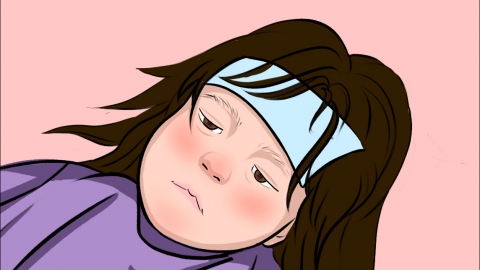
3. Hypoglycemia: Low blood sugar due to fasting or excessive use of antidiabetic medications triggers sympathetic activation, causing sweating accompanied by palpitations and hand tremors. Immediately consume sugar by eating candy or drinking sugary water. Maintain regular meals and avoid exercising on an empty stomach. Adjust diabetes treatment according to medical advice.
4. Hyperthyroidism: Excessive thyroid hormone accelerates metabolism and stimulates the sympathetic nervous system, leading to persistent sweating. Under medical guidance, medications such as methimazole tablets, propylthiouracil tablets, or propranolol tablets may be prescribed. Regular monitoring of thyroid function is necessary.
5. Menopausal syndrome: Declining ovarian function and reduced estrogen levels lead to autonomic nervous system dysfunction, causing hot flashes and sweating. Medications such as estradiol valerate tablets, conjugated estrogens tablets, or oryzanol tablets may be used under medical supervision. Maintaining emotional stability and avoiding anxiety are also important.
In daily life, maintain a regular sleep schedule and avoid overexertion; learn to manage emotions and reduce psychological stress; eat balanced meals at consistent times to prevent hypoglycemia; and undergo regular health check-ups to detect thyroid or endocrine abnormalities early.


