What are the Chinese patent medicines for treating the common cold?
Dec 12, 2025
Source: Cainiu Health

Dr. Sun Lianqing
Introduction
Chinese patent medicines for treating the common cold should be selected based on syndrome differentiation. Commonly used ones include Fenghan Cold Granules, Fengre Cold Granules, Lianhua Qingwen Capsules, Huoxiang Zhengqi Water, and Xiaochaihu Granules. When using these medicines, it is important to pay attention to their contraindications and precautions, choose the appropriate medicine according to the specific type of cold syndrome, and strictly follow medical instructions to ensure safe and effective medication use.
Chinese patent medicines for treating the common cold should be selected according to differential diagnosis. Commonly used ones include Fenghan Ganmao Granules, Fengre Ganmao Granules, Lianhua Qingwen Capsules, Huoxiang Zhengqi Water, and Xiaochaihu Granules. A detailed analysis is as follows:
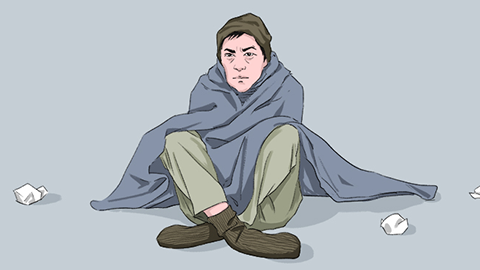
1. **Fenghan Ganmao Granules**: The primary effects are dispersing wind, relieving cold, resolving exterior syndromes, and inducing sweating. Suitable for wind-cold type colds characterized by aversion to cold, fever, absence of sweating, headache, body aches, nasal congestion with clear runny nose, and cough with white phlegm. It alleviates cold symptoms by dispelling wind and cold.
2. **Fengre Ganmao Granules**: Effective in dispersing wind, clearing heat, resolving exterior syndromes, and soothing the throat. Suitable for wind-heat type colds characterized by high fever, mild aversion to wind, headache, sore throat, nasal congestion with yellow discharge, and cough with yellow sputum. It helps eliminate wind-heat pathogens and reduce inflammation.
3. **Lianhua Qingwen Capsules**: Functions to clear away epidemic toxins, resolve toxicity, promote lung function, and relieve internal heat. Indicated for colds caused by toxic heat affecting the lungs, presenting with high fever, muscle aches, cough, sore throat, and fatigue. It also effectively relieves influenza-like symptoms.
4. **Huoxiang Zhengqi Water**: Main actions include resolving exterior syndromes, eliminating dampness, regulating qi, and harmonizing the middle jiao. Suitable for colds due to external wind-cold combined with internal dampness or summer-dampness, manifesting as heavy-headed headache, chest tightness, epigastric distension and pain, vomiting, and diarrhea. Particularly appropriate for summer-dampness type colds.
5. **Xiaochaihu Granules**: Capable of resolving exterior syndromes, clearing heat, soothing the liver, and harmonizing the stomach. Used for exterior diseases where pathogenic factors invade the Shaoyang stage, presenting with alternating chills and fever, fullness and discomfort in the chest and hypochondrium, poor appetite, irritability, nausea, bitter taste in the mouth, and dry throat. Often used to manage alternating chills and fever during the intermediate stages of a cold.
When using these medications, it is important to pay attention to contraindications and precautions. Selection should be based on the specific pattern of the cold, and medications should be taken strictly according to medical guidance to ensure safety and effectiveness.