


What tea is best to drink for spleen and kidney yang deficiency?

Generally, individuals with spleen-kidney yang deficiency may benefit from drinking ginger-date tea, clove tea, cinnamon tea, poria tea, and longan tea. The details are as follows:
1. Ginger-Date Tea
Ginger-date tea is made from fresh ginger and red dates. Ginger is warm in nature and helps to warm the middle jiao and dispel cold, while red dates are sweet and tonify the spleen and boost vital energy. When used together, they warm the spleen and stomach and support kidney yang, improving symptoms of spleen-kidney yang deficiency such as sensitivity to cold, poor appetite, and fatigue. It is suitable for daily consumption.
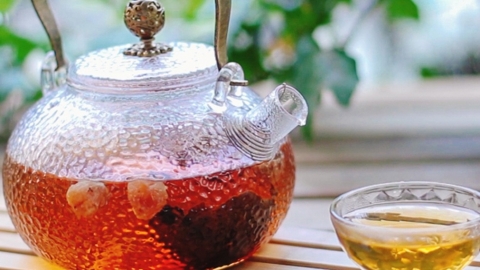
2. Clove Tea
Clove tea is mildly warm in nature and contains clove oil, which can warm the middle burner, strengthen the spleen, and support kidney yang. Drinking clove tea stimulates digestive juice secretion, improves indigestion caused by spleen-kidney yang deficiency, warms kidney yang, and helps relieve soreness and weakness in the lower back and knees.
3. Cinnamon Tea
Cinnamon tea is pungent and hot in nature, capable of replenishing fire, supporting yang, dispelling cold, and relieving pain. Its warming properties directly affect the spleen and kidneys, enhancing spleen and kidney yang qi. It helps alleviate symptoms such as cold intolerance, cold limbs, and cold-induced abdominal pain caused by spleen-kidney yang deficiency, making it ideal for individuals with pronounced yang deficiency.
4. Poria Tea
Poria tea is neutral in nature and effective in strengthening the spleen, promoting diuresis, calming the mind, and improving sleep. Spleen-kidney yang deficiency often leads to internal accumulation of dampness; poria helps eliminate excess dampness from the body, strengthens the spleen, boosts qi, and supports recovery of spleen and kidney transformation and transportation functions, thereby relieving bloating and loose stools.
5. Longan Tea
Longan tea is brewed from dried longan arils. Longan is sweet and warm in nature, nourishing the heart and spleen, enriching blood, and calming the spirit. Its warming and tonic properties help nourish spleen and kidney yang, improving symptoms such as qi and blood deficiency, palpitations, and fatigue due to spleen-kidney yang deficiency. It has a naturally sweet taste and is easy to consume.
In addition, individuals with spleen-kidney yang deficiency should drink teas warm and avoid iced or chilled beverages. Excessive tea consumption before bedtime should be avoided to prevent increased nocturnal urination. A diet consisting of warm, cooked foods should be maintained, and raw or cold foods should be avoided. Combined with regular作息 (daily routines), this approach better supports the recovery of yang energy.


