


Why do I urinate more after taking Liuwei Dihuang Pills?

Generally, increased urination after taking Liuwei Dihuang Pills may be caused by excessive water intake, drug effects, urethritis, cystitis, diabetes, or other reasons. If discomfort occurs, it is recommended to seek timely medical treatment at a正规 hospital. Specific analysis is as follows:
1. Excessive water intake: Drinking large amounts of water during medication increases the filtration load on the kidneys, leading to increased urine production. Reducing water intake appropriately and avoiding excessive drinking at one time may help improve urination symptoms.
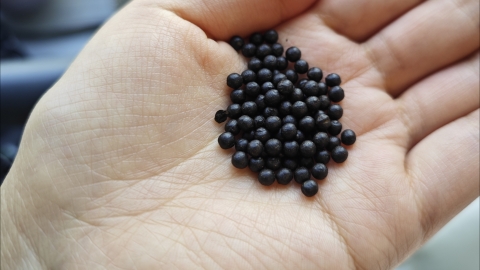
2. Drug effect: Liuwei Dihuang Pills contain Alisma (Zexie), which has a mild diuretic effect. Some individuals may experience increased frequency of urination after taking the medicine. If there are no other discomforts, continue taking the medication under observation; symptoms usually resolve spontaneously after discontinuation.
3. Urethritis: Bacterial infection causing inflammation of the urethra can irritate the urethral mucosa, resulting in frequent and urgent urination, often accompanied by pain or burning during urination. Follow doctor’s advice to use medications such as Cefuroxime Axetil Tablets, Levofloxacin Hydrochloride Capsules, or Azithromycin Dispersible Tablets, and drink plenty of water to promote bacterial elimination.
4. Cystitis: Inflammation occurs when bacteria invade the bladder mucosa, increasing bladder sensitivity so that even small amounts of urine trigger the urge to urinate. Under medical guidance, take medications such as Cefaclor Capsules, Norfloxacin Capsules, or Sanjin Tablets. Maintain good personal hygiene and avoid holding urine for long periods.
5. Diabetes: Elevated blood glucose leads to increased glucose excretion in urine, raising urinary osmotic pressure and causing osmotic diuresis. Follow medical advice to use Metformin Tablets, Glimepiride Tablets, or Insulin Injection, control diet, and monitor blood glucose levels regularly.
In daily life, maintain reasonable water intake and avoid excessive drinking while on medication; practice good personal hygiene to prevent urinary tract infections; monitor blood glucose regularly to detect metabolic abnormalities early; if persistent polyuria or discomfort occurs after taking the medication, stop the drug immediately and seek medical attention.


