


What kind of tea is mild and good for the stomach?

Generally speaking, the main types of mild teas that help nourish and protect the stomach include clove tea, aged tangerine peel (chenpi) tea, ginger-date tea, poria (fuling) tea, and barley tea. A detailed analysis is as follows:
1. Clove Tea
Clove tea is warm in nature and contains components such as clove oil, which gently stimulate the gastric mucosa, promote gastric juice secretion, and aid digestion. It helps relieve discomfort caused by cold stomach, such as indigestion and poor appetite, making it suitable for daily consumption to regulate gastrointestinal function.
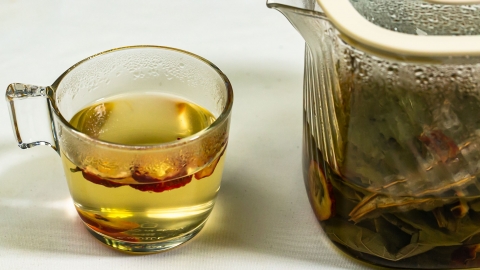
2. Aged Tangerine Peel (Chenpi) Tea
Made from dried tangerine peels, chenpi tea has a pungent flavor and warm nature. It helps regulate qi, strengthen the spleen, dry dampness, and resolve phlegm. Drinking this tea promotes spleen and stomach function, alleviates abdominal bloating and indigestion caused by stagnation of spleen-stomach qi, and is gentle without irritating the gastric mucosa.
3. Ginger-Date Tea
Brewed from fresh ginger and red dates, ginger-date tea combines the warming properties of ginger—which dispels internal cold—with the sweet, tonifying qualities of red dates, which replenish vital energy. Together, they warm and nourish the spleen and stomach, improving symptoms such as stomach pain and sensitivity to cold due to gastric coldness.
4. Poria (Fuling) Tea
Poria tea is neutral in nature and known for its spleen-strengthening and dampness-resolving effects. Its polysaccharide content helps protect the gastric mucosa and supports recovery of spleen and stomach functions. It is particularly effective in regulating poor appetite, bloating, and loose stools caused by spleen deficiency with excess dampness.
5. Barley Tea
Roasted barley tea has a sweet taste and warm nature, promoting digestion, strengthening the spleen, clearing heat, and quenching thirst. The roasting process makes barley gentle and non-drying. Drinking barley tea stimulates digestive secretions and reduces gastrointestinal burden after consuming greasy foods, making it ideal for drinking after meals.
In addition, when consuming stomach-nourishing teas, it's important to use water at a moderate temperature to avoid scalding or irritating the gastric mucosa. These teas should not be consumed in large quantities on an empty stomach. Individuals with weak spleen and stomach function should choose appropriate teas based on their personal conditions and combine tea consumption with a light, balanced diet to better support gastrointestinal health.


