


How effective is traditional Chinese medicine in treating dry eye syndrome?

Traditional Chinese medicine (TCM) has proven effective in treating dry eye syndrome, significantly relieving symptoms such as dryness, irritation, and foreign body sensation. It emphasizes holistic regulation and generally has fewer side effects. If symptoms persist for more than one month or worsen, it is recommended to seek timely medical evaluation at a正规 hospital.
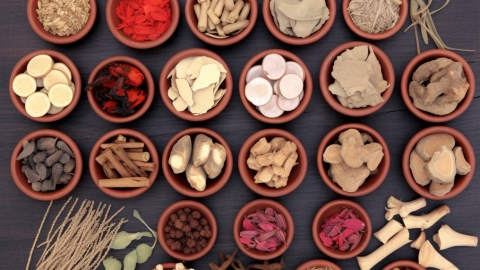
In TCM, treatment of dry eye syndrome primarily focuses on nourishing yin, moistening dryness, nourishing the liver, and improving vision. Commonly used herbs include Lycium (Gou Qi Zi), Ophiopogon (Mai Dong), and Chrysanthemum (Ju Hua). These can be administered orally as herbal decoctions or patent medicines, or applied externally as eye drops. These formulations help nourish liver yin, increase tear production, alleviate ocular dryness at its root, and regulate bodily functions to reduce symptom recurrence.
Clinical studies indicate that combining TCM with acupuncture, warm compresses, and other therapies yields even better results. For high-risk groups such as long-term electronic device users and menopausal women, TCM regulation can improve ocular microcirculation, protect lacrimal gland function, and slow disease progression. Compared to using artificial tears alone, TCM offers superior long-term regulatory benefits.
Daily care includes maintaining indoor humidity, avoiding prolonged eye use, and taking a 5-minute break every 30 minutes. Increase intake of foods rich in vitamins A and C, such as carrots and oranges, and avoid spicy or irritating foods. Regularly perform eye exercises and apply warm compresses with a heated towel to promote ocular blood circulation and help alleviate dryness symptoms.


