


What are the benefits and drawbacks of eating eggs cooked in sweet fermented rice?

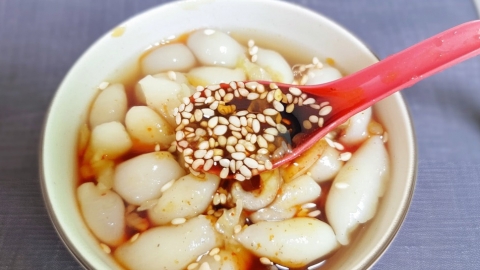
Sweet rice wine boiled with eggs offers benefits such as energy replenishment, nutritional support, improved digestion, body warming, and emotional soothing. However, potential drawbacks include elevated blood sugar, gastrointestinal discomfort, increased calorie intake, interference with medication efficacy, and risk of allergic reactions. If severe dizziness, vomiting, rash, or abnormal blood sugar elevation occurs after consumption, medical attention is recommended.
1. Benefits
1. Energy Replenishment: Sweet rice wine contains carbohydrates, while eggs provide protein. Together, they offer a quick energy source, making this dish suitable after physical exertion.
2. Nutritional Support: Eggs are rich in high-quality protein, vitamins, and minerals, while sweet rice wine contains B-complex vitamins. Together, they supply various essential nutrients the body needs.
3. Improved Digestion: The yeast in sweet rice wine helps promote intestinal motility and enhance digestive function, offering benefits especially for individuals with weak digestion.
4. Body Warming: Typically consumed warm, sweet rice wine boiled with eggs helps the body resist coldness, making it suitable for cold weather or individuals with cold body constitution when consumed in moderation.
5. Emotional Soothing: The warm temperature and unique flavor provide comfort, helping to relieve tension and anxiety, thus offering mild psychological relaxation.
2. Drawbacks
1. Elevated Blood Sugar: Sweet rice wine has a high sugar content, which may cause blood glucose fluctuations. Diabetic patients or those with poor blood sugar control should strictly limit their intake.
2. Gastrointestinal Discomfort: Alcohol and fermented components in sweet rice wine may irritate the gastrointestinal mucosa. Excessive consumption can lead to bloating, diarrhea, stomach pain, and other discomforts.
3. Increased Calorie Intake: Both sweet rice wine and eggs contain calories. Long-term overconsumption may lead to calorie accumulation and increase the risk of obesity.
4. Interference with Medication: The alcohol in sweet rice wine may interact with certain medications, reducing their effectiveness or causing adverse reactions. Consumption should be avoided during medication use.
5. Allergic Reactions: Some individuals may be allergic to components in eggs or sweet rice wine, potentially experiencing symptoms such as skin itching, rashes, or breathing difficulties after consumption.
Consumption should be moderate to avoid excessive intake, and the dish is best eaten warm for better absorption. Individuals with high blood sugar should opt for low-sugar versions, while those with sensitive stomachs may pair it with milder ingredients. Drinking warm water afterward may help metabolism and reduce potential adverse effects on the body.


