


What to eat for kidney coldness

According to traditional Chinese medicine (TCM) theory, kidney cold refers to insufficient kidney yang and internal generation of cold pathogens. It is advisable to consume foods such as lamb, walnut kernels, dried ginger, garlic chives (leeks), and sea cucumber. These foods generally have the effects of warming the kidneys and dispelling cold, as well as nourishing qi and blood, which helps alleviate symptoms caused by kidney cold, such as aversion to cold, cold limbs, soreness and weakness in the lower back and knees. If symptoms persist or worsen, or are accompanied by other discomforts, it is recommended to seek medical attention promptly.
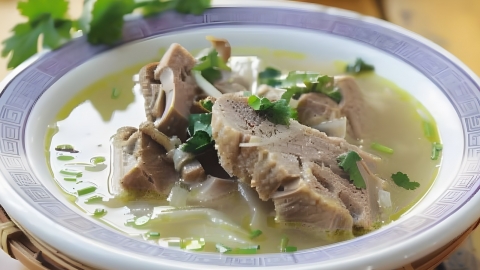
1. Lamb: Warm in nature and sweet in taste, lamb can warm the middle jiao and kidneys while tonifying qi and alleviating deficiency. It helps improve cold-induced pain in the lower back and knees, aversion to cold, and fatigue. It is best consumed in soups or stews to maximize its warming and tonic effects.
2. Walnut Kernels: Warm in nature and sweet in taste, they benefit the kidneys and lungs while moistening the intestines and promoting bowel movements. They can help relieve symptoms such as weakness in the lower back and knees, dizziness, and tinnitus caused by kidney cold. They can be eaten raw in moderation or combined with other ingredients in meals.
3. Dried Ginger: Hot in nature and pungent in taste, it functions to warm the middle jiao, dispel cold, restore yang, and unblock the meridians. It warms the kidneys and eliminates cold, improving symptoms such as cold abdominal pain and excessive clear urination caused by kidney cold.
4. Garlic Chives (Leeks): Warm in nature and pungent in taste, they warm the middle jiao, dispel cold, and strengthen kidney yang. They provide supportive regulation for diminished sexual function and cold pain in the lower back and knees due to kidney cold. They can be consumed raw in salads or cooked in stir-fries.
5. Sea Cucumber: Warm in nature and sweet-salty in taste, it tonifies the kidneys, enriches essence, nourishes blood, and moistens dryness. It nourishes the kidneys and dispels cold, making it suitable for individuals with kidney cold when prepared in soups or steamed dishes, providing nutrition while helping to regulate body constitution.
In daily life, it's important to stay warm and avoid chilling the waist and abdomen, maintain regular sleep patterns without staying up late, engage moderately in gentle exercises such as walking or tai chi, and avoid raw, cold, and cooling foods. By adjusting diet and lifestyle habits, one can effectively improve the condition of kidney cold.


