


What Chinese herbs can treat insomnia?

Various traditional Chinese herbs possess calming and sleep-promoting effects. Commonly used ones include sour jujube seed (Suanzaoren), polygala root (Yuanzhi), biota seed (Baziren), mimosa bark (Hehuanpi), and night-blooming cereus stem (Yejiaoteng). Selection should be based on the underlying causes of insomnia. Detailed analysis is as follows:
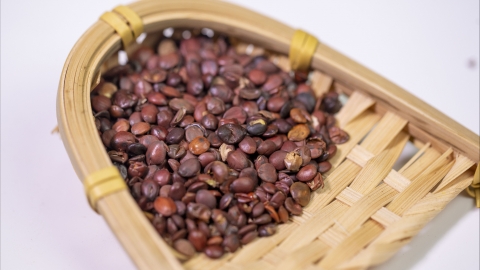
1. **Sour Jujube Seed (Suanzaoren)**: Its primary functions are nourishing the heart and liver, and calming the mind. It is suitable for insomnia caused by deficiency of heart and liver blood, manifesting as difficulty falling asleep, frequent dreams with easy awakening, palpitations, and poor memory. By enriching heart and liver blood, it calms the spirit and is a commonly used key herb in treating insomnia.
2. **Polygala Root (Yuanzhi)**: Known for its ability to calm the mind, enhance intelligence, resolve phlegm, and open the orifices. It is indicated for insomnia due to lack of communication between heart and kidney or obstruction of heart orifice by phlegm, presenting as insomnia with vivid dreams, chest tightness, irritability, and impaired memory. It helps re-establish heart-kidney interaction and clears phlegm-turbidity to restore mental tranquility.
3. **Biota Seed (Baziren)**: Functions to nourish the heart and calm the mind, while moistening the intestines and promoting bowel movements. Suitable for insomnia due to deficiency of heart yin, characterized by night sweats, dry mouth and throat, insomnia, and excessive dreaming. It nourishes heart yin to calm the spirit and simultaneously alleviates constipation caused by yin deficiency.
4. **Mimosa Bark (Hehuanpi)**: Effective in relieving depression, calming the mind, activating blood circulation, and reducing swelling. Indicated for insomnia caused by emotional distress and liver qi stagnation, manifesting as irritability, anger, chest oppression, frequent sighing, insomnia, and disturbed sleep with many dreams. By soothing the liver and resolving depression, it improves emotional state and thereby relieves insomnia.
5. **Night-Blooming Cereus Stem (Yejiaoteng)**: Mainly functions to nourish blood, calm the mind, dispel wind, and unblock meridians. Suitable for insomnia due to blood deficiency, presenting as sallow complexion, dizziness, fatigue, insomnia, and palpitations. It improves sleep quality by nourishing deficient blood and calming the spirit.
When using these Chinese herbs, attention should be paid to their contraindications and precautions. Selection must be tailored to individual constitution and the specific cause of insomnia. Medication should be taken strictly under medical guidance to ensure safety and effectiveness.


