What are the massage techniques for children's food stagnation?
Dec 12, 2025
Source: Cainiu Health

Dr. Zhou Xiaofeng
Introduction
Pediatric massage for food stagnation should focus on strengthening the spleen, regulating the stomach, promoting digestion, and eliminating food accumulation. The techniques should be gentle and mild, commonly including clockwise abdominal rubbing, massaging the Banmen point, pushing the Four Transverse Lines, clearing the Large Intestine channel, and spinal捏脊 (spinal pinching). During massage, contraindications and precautions must be observed. Hands should be thoroughly cleaned before the procedure, and treatment should be avoided when the child is overly full or hungry. Pressure should be adjusted according to the child's comfort level.
For pediatric food stagnation, massage therapy should focus on strengthening the spleen, harmonizing the stomach, promoting digestion, and eliminating food accumulation. The techniques must be gentle and mild, commonly including clockwise abdominal rubbing, rubbing the Banmen point, pushing the Four Horizontal Lines, clearing the Large Intestine channel, and spinal捏spinal捏pinching (Niespine). Detailed explanations are as follows:
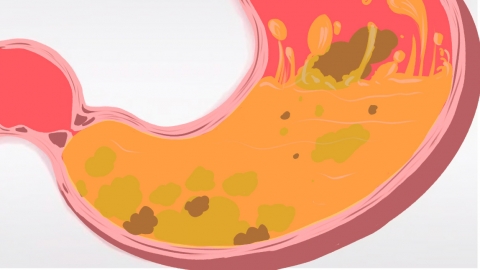
1. Clockwise Abdominal Rubbing: Centered on the child's navel, gently rub the abdomen in a clockwise direction using the palm or the pads of the index and middle fingers. This method is suitable for symptoms such as bloating, abdominal pain, and constipation caused by food stagnation. It promotes gastrointestinal motility, aids digestion, and helps eliminate accumulated food.
2. Rubbing the Banmen Point: The Banmen point is located at the fleshy part of the palm below the thumb (the thenar eminence). Use the pad of the thumb to gently rub this area in clockwise or counterclockwise motions. This technique strengthens the spleen and harmonizes the stomach, promotes digestion, and relieves poor appetite, nausea, and vomiting due to food stagnation. It is a commonly used method for managing pediatric digestive issues.
3. Pushing the Four Horizontal Lines: These lines are located at the transverse creases at the base of the index, middle, ring, and little fingers. Use the pad of the thumb to push straight from the crease at the base of the index finger toward the crease at the base of the little finger. This technique clears heat, alleviates irritability, and resolves food stagnation. It is indicated for children with food accumulation accompanied by restlessness, mouth ulcers, or tongue sores.
4. Clearing the Large Intestine Channel: The Large Intestine meridian runs along the radial side of the child’s index finger, from the fingertip toward the web between thumb and index finger (Hukou area). Push straight from the fingertip toward the Hukou to "clear" the channel. This action clears intestinal heat, promotes bowel movement, and removes food stagnation. It helps relieve constipation and dry, hard stools caused by food accumulation. The pressure should be gentle to avoid skin damage.
5. Spinal Pinching (Niespine): Have the child lie prone. Using the thumb, index, and middle fingers, grasp the skin on both sides of the spine and gently pinch upward from the coccyx to the Dazhui point (GV14) at the base of the neck. This technique regulates spleen and stomach function, strengthens constitution, improves spleen-stomach deficiency caused by chronic food stagnation, and enhances digestive capacity.
When performing massage, attention must also be paid to contraindications and precautions. Hands should be thoroughly cleaned before treatment. Avoid performing massage when the child is overly full or hungry. Pressure should be adjusted according to the child’s comfort level. Strict adherence to proper techniques is essential to ensure safety and effectiveness.