


Why does lower back pain occur after moxibustion?

Lower back pain after moxibustion is mainly related to improper operation, individual constitutional differences, elimination of cold and dampness, meridian reactions, and underlying diseases. If the soreness persists for more than 3 days or is accompanied by symptoms such as numbness in the lower limbs or fever, medical attention should be sought promptly.
1. Improper operation: If the moxa is held too close to the skin, applied for too long, or placed on incorrect acupoints, excessive thermal stimulation can cause local skin and soft tissue irritation, leading to muscle spasms or minor injury, resulting in soreness.
2. Constitutional differences: Individuals with sensitive constitutions or those with yin deficiency and internal heat may experience disruption of the body's yin-yang balance due to the warming nature of moxibustion, causing abnormal flow of qi and blood and triggering lower back pain.
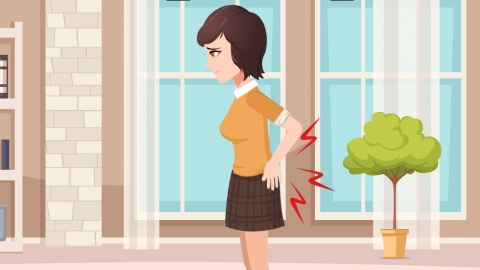
3. Elimination of cold and dampness: Moxibustion helps warm and unblock meridians and expel cold and dampness. In individuals with significant internal accumulation of cold-dampness, temporary blockage during the elimination process may manifest as lower back soreness.
4. Meridian reaction: After stimulating acupoints, the flow of qi and blood in the meridians increases. If there is pre-existing stagnation in the meridians of the lower back, the accelerated circulation may cause aching, distension, or mild pain—this is considered a normal regulatory response.
5. Underlying diseases: Patients with existing conditions such as lumbar disc herniation or chronic lumbar strain may experience slight worsening of symptoms due to the stimulation from moxibustion, leading to temporary soreness despite its therapeutic benefits.
Treatment involves stopping moxibustion and applying cold compresses locally to relieve acute pain, followed by adjusting the moxibustion technique for gradual regulation. For care, maintain warmth in the lower back to avoid chilling, avoid prolonged sitting or standing, perform gentle腰部 stretching exercises, and follow a light diet avoiding raw, cold, spicy, or irritating foods.


