


What does it mean when cupping causes bleeding or fluid discharge?

Fluid discharge during cupping is mainly due to the rupture of local capillaries caused by negative pressure, resulting in a mixture of blood and tissue fluid seeping out. A small amount of light red fluid is usually a normal physiological response. However, if there is excessive bleeding, dark red blood, or pus, it may indicate local inflammation, blood stasis, or skin damage. In cases of abnormal bleeding, timely medical evaluation is necessary.
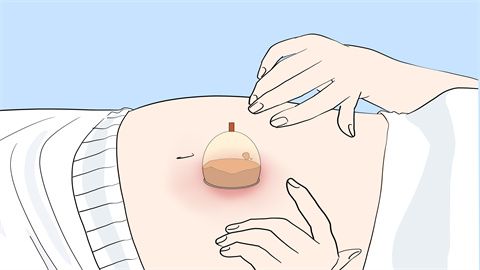
Under normal circumstances, the negative pressure generated during cupping causes dilation and rupture of superficial capillaries in the skin. A small amount of blood oozes out and mixes with subcutaneous tissue fluid, forming a light red fluid. This typically causes no significant discomfort and resolves spontaneously within 1–2 days after cupping. However, if chronic inflammation, poor circulation causing blood stasis, or excessive suction force and prolonged cupping duration lead to deep skin injury, increased bleeding, dark red discoloration, or even clotted blood may occur.
After cupping, the bleeding site should immediately be pressed with clean gauze to stop bleeding. Keep the local skin clean and dry, avoid contact with water and frictional irritation, and refrain from bathing or swimming within 24 hours. Applying sterile ointment appropriately can help protect the affected area. Avoid spicy and irritating foods in the diet to promote skin healing.


