


Where to apply moxibustion for novel coronavirus infection
Dec 12, 2025
Source: Cainiu Health

Dr. Sun Lianqing
Introduction
After a novel coronavirus infection, moxibustion can be applied to acupoints that help relieve exterior syndromes, dispel cold, promote lung function, regulate qi, strengthen the spleen, and boost vital energy. Commonly used acupoints include Dazhui (GV14), Feishu (BL13), Zusanli (ST36), Shanzhong (CV17), and Shenque (CV8). It is important to observe contraindications and precautions when performing moxibustion, carefully control the duration and temperature to avoid skin burns.
After a SARS-CoV-2 infection, moxibustion can be used as an auxiliary therapy by stimulating acupoints known for their effects of relieving exterior syndromes, dispelling cold, promoting lung function, regulating qi, strengthening the spleen, and boosting vital energy. Commonly selected acupoints include the Dazhui (GV14), Feishu (BL13), Zusanli (ST36), Shanzhong (CV17), and Shenque (CV8) points. Specific details are as follows:
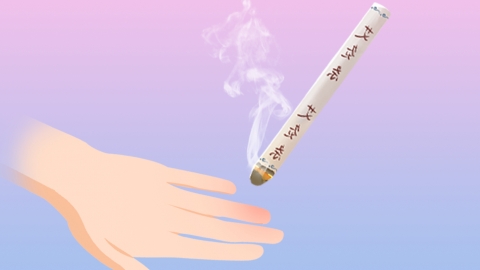
1. Dazhui (GV14): Located on the midline of the posterior neck, in the depression below the spinous process of the 7th cervical vertebra. This point has the functions of resolving exterior conditions, reducing fever, tonifying qi, and reinforcing the body's defensive system. It is suitable for symptoms such as fever, headache, fatigue, and neck or nuchal pain following infection. Moxibustion at this point helps expel pathogenic factors from the body surface and enhances resistance.
2. Feishu (BL13): Situated below the spinous process of the 3rd thoracic vertebra, 1.5 cun lateral to the midline. As the back-shu point of the lungs, it promotes lung function, regulates qi, relieves cough, and alleviates asthma. It is indicated for respiratory symptoms caused by infection, such as cough, chest tightness, shortness of breath, and sputum production, helping to relieve stagnation of lung qi.
3. Zusanli (ST36): Found three cun below the lower border of the patella, one finger-width lateral to the anterior crest of the tibia. This point strengthens the spleen and boosts qi, supporting the body’s defenses and eliminating pathogens. After infection, when weakness, poor appetite, or diarrhea occur, moxibustion here enhances digestive and absorptive functions of the spleen and stomach, reinforces healthy qi, and supports recovery.
4. Shanzhong (CV17): Located on the anterior midline of the chest, at the midpoint between the two nipples. It helps to widen the chest, regulate qi, relieve cough, and resolve phlegm. It is useful for post-infection symptoms such as chest tightness, chest pain, cough, and dyspnea, effectively alleviating chest oppression and improving breathing.
5. Shenque (CV8): Positioned at the center of the umbilicus in the abdomen. It warms yang, dispels cold, and tonifies the middle-jiao to benefit qi. Suitable for individuals experiencing chills, diarrhea, or abdominal discomfort after infection, moxibustion at this point warms the spleen and stomach, dispels internal cold, and relieves gastrointestinal discomfort.
When performing moxibustion, contraindications and precautions must be observed. The duration and temperature should be carefully controlled to avoid skin burns. Individuals with yin deficiency and excessive internal heat should use moxibustion cautiously. Strict adherence to proper techniques is essential to ensure safety and appropriateness of treatment.





