


What should I do if I wake up feeling hot and can't fall back asleep?
Dec 12, 2025
Source: Cainiu Health

Dr. Liu Wenmin
Introduction
Insomnia after waking up from heat can be improved by adjusting the sleep environment, using physical cooling methods to relieve discomfort, properly replenishing fluids, regulating psychological state, and maintaining regular sleep habits. If this condition persists for a long time and is accompanied by symptoms such as headache and fatigue, prompt medical attention is recommended.
Ensure good indoor ventilation and maintain room temperature between 22–26°C.
Waking up due to heat and being unable to fall back asleep can be improved by adjusting the sleep environment, using physical cooling methods to relieve discomfort, scientifically replenishing fluids, regulating mental state, and maintaining regular sleep habits. If this situation persists long-term and is accompanied by symptoms such as headache or fatigue, prompt medical consultation is recommended.
1. Adjust the sleep environment: Keep the room well-ventilated, maintain room temperature between 22–26°C, choose breathable cotton bedding, and avoid stuffy, humid conditions. Reducing temperature-related disturbances helps facilitate quicker return to sleep.
2. Use physical cooling to relieve discomfort: Wipe areas with major blood vessels—such as the forehead, neck, and armpits—with a damp towel, or use fans or air conditioning for indirect cooling. Avoid direct blowing, which may cause discomfort. Lowering skin temperature helps reduce feelings of heat and improves sleep quality.
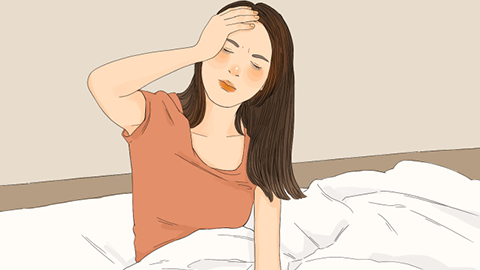
3. Replenish fluids appropriately: If you wake up feeling thirsty, drink small amounts of warm water frequently. Avoid consuming large volumes of fluid at once, which increases kidney burden. Also avoid stimulants such as ice water, coffee, and strong tea, as they may interfere with sleep.
4. Regulate psychological state: Avoid anxiety caused by difficulty falling back asleep. Practice relaxation techniques such as deep breathing or meditation to shift focus, reduce psychological stress affecting sleep, and help the body and mind relax to promote sleep.
5. Maintain regular sleep habits: Avoid long naps during the day, engage in moderate outdoor activities to improve heat tolerance, and go to bed at the same time every night to establish a consistent biological clock, reducing the likelihood of waking up from heat and being unable to sleep.
Daily preparation for sleep is important. Avoid vigorous exercise one hour before bedtime, keep the bedroom quiet and dark, adopt a comfortable sleeping posture, and adjust bedding thickness according to weather changes to enhance sleep comfort and reduce the probability of insomnia after waking up from heat.



