


What causes brown vaginal discharge after drinking saffron, and what should be done about it?

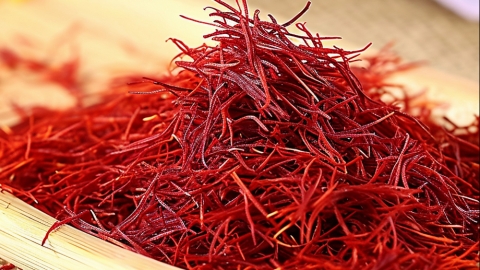
After drinking saffron, the appearance of brown vaginal discharge may be caused by ovulation bleeding, pre- or post-menstrual effects, cervicitis, endometritis, uterine fibroids, and other reasons. Depending on the specific situation, improvements can be made through lifestyle adjustments, medication, or surgery. Detailed analysis is as follows:
1. Ovulation Bleeding
During ovulation, a temporary drop in estrogen levels can cause slight shedding of the endometrium. Saffron's blood-activating effect may exacerbate this symptom. It is recommended to rest adequately, discontinue saffron consumption, keep the external genital area dry, and avoid strenuous exercise.
2. Pre- or Post-Menstrual Effects
Before menstruation begins or as it ends, residual menstrual blood may remain in the uterine cavity. Saffron’s ability to promote blood circulation may facilitate the expulsion of this old blood. Discontinue saffron use during this time, drink plenty of warm water, and frequently change sanitary products.
3. Cervicitis
The cervical mucosa becomes congested and fragile. Saffron’s blood-circulating effect may lead to mucosal damage and bleeding. Under medical guidance, medications such as azithromycin dispersible tablets, cefuroxime axetil tablets, or doxycycline hydrochloride capsules may be used. Avoid tub bathing during treatment.
4. Endometritis
Inflammation of the endometrium due to infection may result in bleeding when stimulated by saffron. Follow doctor’s instructions to take metronidazole tablets, clindamycin capsules, or levofloxacin tablets, and maintain a light diet.
5. Uterine Fibroids
Fibroids can interfere with normal uterine contractions, and saffron’s blood-activating properties may cause rupture of blood vessels around the fibroid. Medications such as mifepristone tablets, tranexamic acid tablets, or Gongliuxiao capsules may be taken. In severe cases, surgical removal of fibroids may be required.
Before regularly consuming saffron, individuals should clearly understand their health status and avoid usage during special physiological periods. If brown discharge occurs, stop taking saffron immediately and monitor symptoms. If the discharge persists or is accompanied by abdominal pain, seek medical attention promptly—do not self-medicate and risk delaying proper treatment.


