


What are the contraindications of rheumatism pain medicinal wine?
Dec 12, 2025
Source: Cainiu Health

Dr. Yang Tiesheng
Introduction
Rheumatism-relief medicinal wines typically contain alcohol and traditional Chinese herbal ingredients that dispel wind and dampness, promote blood circulation, and remove blood stasis. Their use requires strict avoidance among contraindicated populations and improper usage methods. Common contraindications include: individuals with alcohol allergy, pregnant women, breastfeeding women, patients with impaired liver or kidney function, and those with colds or fever should not use. Attention must also be paid to the contraindications and precautions when using rheumatism-relief medicinal wine.
Rheumatism-relief medicinal wines typically contain alcohol and traditional Chinese herbal ingredients that dispel wind, eliminate dampness, promote blood circulation, and remove blood stasis. Their use requires strict avoidance among contraindicated populations and improper usage methods. Common contraindications include: prohibition for individuals with alcohol allergies, pregnant women, breastfeeding women, patients with liver or kidney dysfunction, and those with colds or fever. Specific details are as follows:
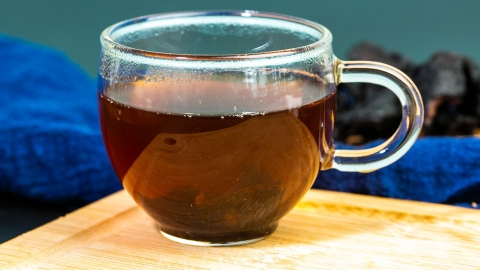
1. Prohibited for individuals with alcohol allergy: Alcohol is a core component of medicinal wine. Those allergic to alcohol may experience allergic reactions such as skin itching, rashes, and difficulty breathing upon ingestion or contact. In severe cases, anaphylactic shock may occur; therefore, these individuals must completely avoid using this product.
2. Prohibited for pregnant women: The blood-activating and stasis-resolving herbal ingredients in medicinal wine may stimulate uterine contractions, increasing the risk of miscarriage or premature birth. Additionally, alcohol can cross the placenta and affect normal fetal development, potentially harming fetal health.
3. Prohibited for breastfeeding women: Alcohol and herbal components in medicinal wine may be transferred to infants through breast milk. Since infants' liver metabolism systems are not yet fully developed, they cannot effectively break down alcohol, which may lead to drowsiness, vomiting, developmental delays, and other issues affecting infant health.
4. Prohibited for patients with impaired liver or kidney function: The liver is the primary organ responsible for alcohol metabolism, and the kidneys play a key role in drug excretion. Using medicinal wine may increase the metabolic burden on already compromised liver and kidney functions, potentially worsening organ damage and exacerbating existing conditions.
5. Prohibited for individuals with colds or fever: During a cold or fever, the body is in a state of conflict between pathogenic factors and defensive Qi. Medicinal wine is warming in nature and contains tonic and blood-circulating components. Taking it at this time may intensify internal heat, worsen fever symptoms, and interfere with normal recovery from the illness.
When using rheumatism-relief medicinal wine, it is essential to observe all contraindications and precautions, strictly follow dosage instructions provided in the manual or by healthcare professionals, avoid excessive consumption, and refrain from combining it with other alcoholic beverages to ensure safety and appropriate use.



