


What are the symptoms of mild anemia?

Mild anemia commonly presents symptoms such as pale complexion, dizziness and fatigue, palpitations and shortness of breath, difficulty concentrating, and loss of appetite. If one or more of these symptoms occur, it is recommended to promptly visit a hospital for a complete blood count (CBC) test to confirm the diagnosis.
1. Pale complexion: In anemia, the oxygen-carrying capacity of red blood cells decreases, leading to insufficient blood and oxygen supply to areas such as the facial skin, lips, and nail beds. These areas appear pale and lack color, and the paleness does not quickly improve even after rest. This is a relatively visible sign of mild anemia.
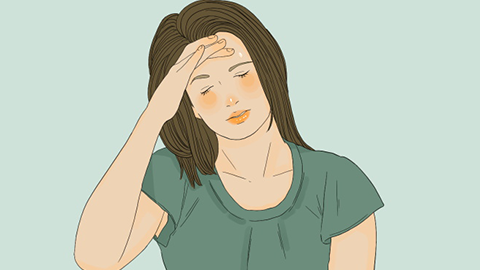
2. Dizziness and fatigue: Insufficient oxygen supply to the brain affects nervous system function. Patients often experience a feeling of heaviness or dizziness in the head, along with general weakness. Fatigue worsens after daily activities, and even simple household chores or a short walk may require subsequent rest for recovery.
3. Palpitations and shortness of breath: To compensate for inadequate oxygen delivery, the heart beats faster. Mild anemia patients may show no obvious abnormalities at rest, but after physical activity, they may experience rapid heartbeat, palpitations, increased breathing rate, and feelings of breathlessness or labored breathing.
4. Difficulty concentrating: Inadequate oxygen and nutrient supply to the brain impairs cognitive function. Patients may easily become distracted, experience memory decline, have trouble focusing during work or study, and exhibit slower mental processing.
5. Loss of appetite: Anemia can impair blood flow to the digestive system, resulting in slowed gastrointestinal motility and reduced secretion of digestive fluids. This leads to decreased appetite, bloating, and indigestion. Some individuals may also experience nausea or diminished taste sensation.
Treatment of mild anemia requires identifying the underlying cause first. If caused by nutritional deficiencies, appropriate nutrients such as iron or vitamin B12 should be supplemented. For care, maintain regular作息 (daily routines), avoid excessive fatigue, engage in moderate exercise appropriately, eat a balanced and easily digestible diet, and gradually improve the body's blood-forming function.


