


What is sepsis?
Dec 12, 2025
Source: Cainiu Health

Dr. Li Feng
Introduction
Sepsis is an acute systemic infection caused by pathogenic bacteria entering the bloodstream, multiplying, and releasing toxins. If not promptly treated, it can cause severe damage to the body. Preventing sepsis requires attention to daily protection, maintaining the integrity of skin and mucous membranes, and timely management of localized infections. For individuals with wounds or undergoing invasive procedures, strict adherence to aseptic principles is essential.
Sepsis usually refers to septicemia. Septicemia is an acute systemic infection caused by pathogenic bacteria entering the bloodstream, multiplying rapidly, and releasing toxins. If not promptly treated, it can cause severe damage to the body.
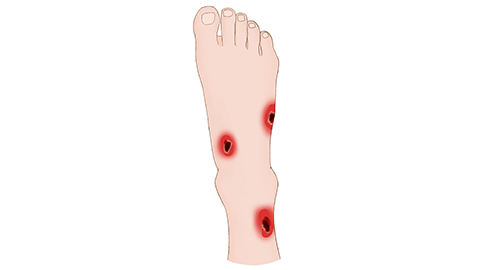
Septicemia often occurs in individuals with weakened immune systems. Breaks in the skin or mucous membranes and localized infection sites may serve as entry points for pathogens. Once in the bloodstream, the bacteria multiply extensively and release toxins, leading to symptoms such as chills, high fever, fatigue, and rapid breathing. It may also impair the normal function of multiple organs, causing liver and kidney damage or abnormal blood clotting. Clinical diagnosis relies on tests such as complete blood count and blood cultures. Treatment primarily involves adequate doses and duration of sensitive antibiotics, along with active management of the primary infection source.
To prevent septicemia, it's important to maintain daily protective measures, keep skin and mucous membranes intact, and promptly treat any local infections. For individuals with wounds or undergoing invasive procedures, strict adherence to aseptic techniques is essential to reduce the risk of infection.




