


Do the three tests for anemia require fasting?

Under normal circumstances, it is recommended to perform the three key tests for anemia on an empty stomach to ensure the accuracy of the results. However, in special situations such as emergencies or when physical discomfort makes prolonged fasting difficult, testing can still be conducted without fasting—though some indicators may show slight deviations that should be interpreted according to the individual's specific condition. The detailed analysis is as follows:
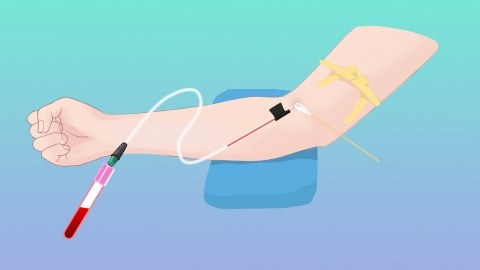
The core panel for anemia testing includes four critical markers: serum iron, serum ferritin, folic acid, and vitamin B12. Components in food, such as dietary iron and high-quality proteins, can directly affect the levels of these markers. After eating—especially foods rich in iron like animal liver and lean meat, or high-protein foods such as eggs and milk—serum iron and ferritin levels may temporarily increase, potentially interfering with the assessment of true physiological status. Testing while fasting minimizes such interference. If fasting is not possible, patients should proactively inform their doctor about their recent diet, including timing and types of food consumed, so the physician can interpret the results accordingly.
In addition to fasting, individuals should avoid heavy alcohol consumption, staying up late, and intense physical activity before the test, as these factors may also affect the stability of the test indicators. Ensuring these precautions helps provide reliable clinical evidence for diagnosing anemia and analyzing its underlying causes.


