


How to treat drug-induced liver cirrhosis

The core treatment for drug-induced liver cirrhosis includes immediate discontinuation of the causative medication, hepatoprotective drug therapy, symptomatic management of complications, nutritional support, and auxiliary interventions targeting underlying causes. After diagnosis, patients should promptly seek medical care at a reputable hospital's gastroenterology or hepatology department to avoid delays in treatment.
1. Immediate discontinuation of the causative drug: This is the most critical initial step. A comprehensive review of all current medications—including prescription drugs, over-the-counter medicines, and supplements—is necessary. Once the offending agent is identified, it must be completely discontinued to prevent further progression of liver damage.
2. Hepatoprotective drug therapy: Appropriate medications should be selected based on the type of liver injury, such as anti-inflammatory hepatoprotectants, detoxifying agents, or hepatocyte membrane stabilizers. These help repair damaged liver cells and reduce hepatic inflammation, and must be used under medical supervision according to clinical guidelines.
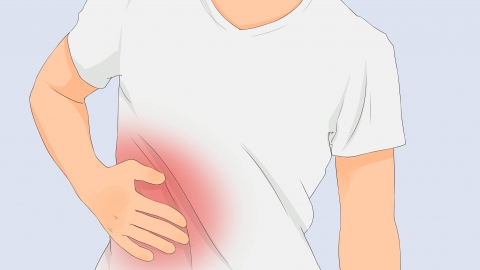
3. Symptomatic management of complications: For complications such as ascites, hepatic encephalopathy, and electrolyte imbalances, interventions including diuretics, ammonia-lowering treatments, and correction of electrolyte disturbances are essential to relieve symptoms, minimize systemic harm, and maintain normal bodily functions.
4. Nutritional support therapy: Ensure adequate intake of high-quality protein, vitamins, and dietary fiber, while limiting fat and sodium consumption. This strengthens immune function, provides sufficient nutrients for liver cell regeneration, and improves overall health.
5. Etiological adjunctive interventions: If drug allergy or metabolic abnormalities are present, the relevant classes of drugs should be avoided accordingly. Additionally, any coexisting chronic liver conditions should be treated to reduce cumulative liver injury and support recovery.
Daily care should include maintaining regular sleep patterns and avoiding late nights, quitting smoking and alcohol to eliminate risk factors for liver damage, keeping emotional stability and avoiding excessive fatigue, engaging in moderate and gentle physical activity to improve physical condition, and following a light, easily digestible, and regularly scheduled diet to promote liver repair and disease stability.


