


Could you please explain the procedure for the four-item infectious disease screening?

The four-item infectious disease screening process generally includes registration and prescription, information verification, sample collection, laboratory testing, and report retrieval. The specific steps are as follows:
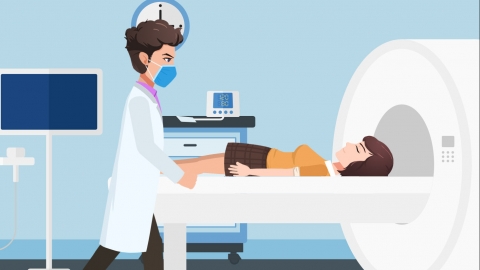
1. Registration and prescription: First, visit the relevant department at a hospital (such as the infectious diseases department or physical examination center) and inform medical staff of your need for testing. The doctor will issue a test request form for the four-item infectious disease screening based on your situation. Proceed to the payment window with this form to complete payment and obtain a payment receipt.
2. Information verification: Go to the sample collection site (such as the phlebotomy window in the clinical laboratory). Medical personnel will verify the patient's name, age, and requested tests. After confirmation, they will provide a labeled tag to be affixed to the sample container to prevent sample mix-ups.
3. Sample collection: Venous blood is typically collected as the specimen. Healthcare professionals will select an appropriate vein and use a disposable needle and vacuum tube to draw the required amount of blood. After collection, a cotton swab will be used to apply pressure to the puncture site to stop bleeding, and patients will be instructed on how long to maintain pressure and other post-procedure precautions.
4. Laboratory testing: The collected blood samples are sent to the laboratory for processing according to standard procedures. Specific tests are conducted for hepatitis B virus, hepatitis C virus, syphilis spirochete, and human immunodeficiency virus (HIV). The testing process must follow strict protocols to ensure accurate results.
5. Report retrieval: After testing is completed, the hospital will notify patients via text message or on-site announcements about when the reports are available. Patients can retrieve their test reports from designated self-service machines or service windows using their payment receipt or medical record card, and review whether each indicator falls within normal ranges.
After receiving the report, if any abnormal results are found, patients should promptly return to the clinic for consultation with a physician to determine the next steps. Even if results are normal, the report should be kept safely as part of one’s personal health record. Avoid getting the puncture site wet within 24 hours after the test to prevent local infection.


