


How to differentiate between fungal infection and trichomoniasis

Generally, distinguishing between fungal (yeast) and trichomonas infections can be done by evaluating several factors, including the characteristics and odor of vaginal discharge, degree of accompanying itching, predisposing causes, and laboratory test results. The specific analysis is as follows:
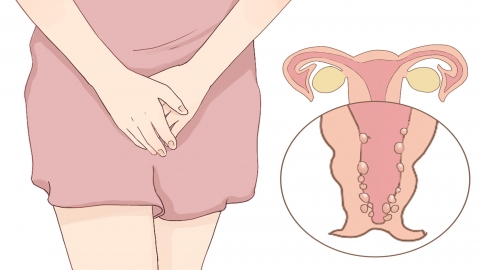
1. Characteristics of discharge: Discharge in fungal infections is typically white, curd-like or cottage cheese-like, thick and clumpy; in contrast, discharge in trichomonas infections appears gray-white or yellow-green, thin, frothy, and usually more abundant.
2. Odor of discharge: Discharge from fungal infections generally has no strong odor, or may have a slight sour smell; discharge from trichomonas infections often has a noticeable unpleasant odor, commonly described as foul or fishy, which is one of its typical features.
3. Degree of accompanying itching: Itching caused by fungal infections is usually severe and tends to worsen at night or during rest, sometimes significantly disrupting sleep; itching in trichomonas infections is relatively milder and often occurs intermittently.
4. Predisposing factors: Fungal infections are commonly triggered by reduced immunity, prolonged antibiotic use, high blood sugar levels, or poor hygiene habits; trichomonas infections are primarily transmitted through sexual contact, but can also spread indirectly via contaminated clothing or personal items.
5. Laboratory findings: In routine vaginal discharge examination, fungal infections show the presence of Candida albicans spores or hyphae; trichomonas infections are confirmed by identifying motile Trichomonas vaginalis organisms, allowing clear differentiation between the two.
Accurate identification is crucial for appropriate management. A comprehensive evaluation based on the above aspects is necessary. Additionally, maintaining good local hygiene and avoiding inappropriate self-medication are important to ensure effective treatment.


