


What does it mean if carcinoma in situ recurs one year after surgery?

In general, recurrence of carcinoma in situ one year after surgery may be caused by decreased immunity, excessive fatigue post-surgery, chronic inflammatory stimulation, abnormal tissue repair, or prolonged local infection. If discomfort symptoms occur, it is recommended to seek timely medical treatment at a正规 hospital. The specific analysis is as follows:
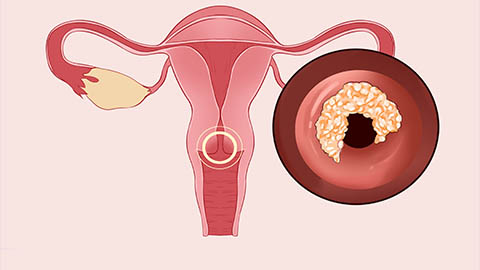
1. Decreased immunity: Insufficient nutrient intake or irregular lifestyle after surgery can reduce the activity of immune cells, making it impossible to eliminate residual abnormal cells. Ensure daily intake of high-quality protein and vitamins, maintain regular sleep patterns without staying up late, and engage in light exercises such as walking to strengthen physical health.
2. Excessive postoperative fatigue: Prolonged physical or mental exhaustion weakens the body's healing capacity, creating favorable conditions for abnormal cell proliferation. Arrange work and rest reasonably, avoid heavy physical labor, and learn to relieve stress through deep breathing and other methods.
3. Chronic inflammatory stimulation: Long-term inflammation in local tissues leads to repeated damage and repair of cells, increasing the risk of abnormalities. Follow your doctor’s instructions to use medications such as Cefuroxime Axetil Tablets, Roxithromycin Capsules, or Levofloxacin Tablets, and undergo regular follow-up examinations to monitor inflammatory changes.
4. Abnormal tissue repair: During wound healing after surgery, uncontrolled cell proliferation may lead to the formation of abnormal tissue. Under medical guidance, medications such as Methotrexate Tablets, Hydroxyurea Tablets, or Tretinoin Tablets may be taken. Surgical removal of the affected tissue may be necessary if needed.
5. Prolonged local infection: If postoperative infection is not completely controlled, persistent pathogens can damage tissues and trigger cellular abnormalities. Medical treatment including debridement of the infected area is required, along with prescribed antibiotics such as Amoxicillin Clavulanate Potassium Tablets, Clindamycin Capsules, or Cefoperazone Sodium and Sulbactam Sodium Injection.
In daily life, maintain a balanced diet to ensure adequate nutrition; avoid overexertion and mental stress; practice good personal hygiene to prevent infections; and strictly follow medical advice for regular check-ups to ensure early detection and prompt management.


