What causes vomiting after esophageal cancer surgery?
Dec 12, 2025
Source: Cainiu Health

Dr. Huang Yuhong
Introduction
Vomiting after esophageal cancer surgery is often associated with postoperative gastrointestinal dysfunction, improper eating habits, gastroesophageal reflux disease, dumping syndrome, or intestinal obstruction. Patients should seek medical attention promptly if symptoms occur, and receive appropriate treatment based on the underlying cause. After surgery, patients should follow the principle of eating small, frequent meals, choose low-fat, high-protein foods, and engage in light physical activity after meals.
Vomiting after esophageal cancer surgery is often associated with postoperative gastrointestinal dysfunction, improper eating habits, gastroesophageal reflux disease (GERD), dumping syndrome, intestinal obstruction, and other factors. Symptoms should be evaluated by a physician promptly to determine the underlying cause and receive appropriate treatment. Specific causes are analyzed as follows:
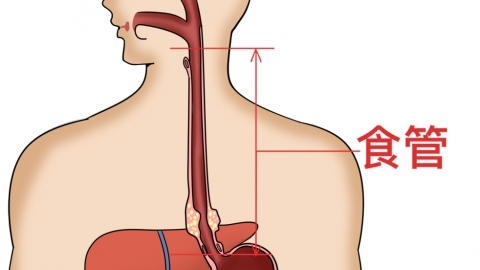
1. Postoperative Gastrointestinal Dysfunction
Surgical trauma may suppress gastrointestinal motility, leading to delayed gastric emptying and increased intragastric pressure, which can trigger vomiting. Early ambulation after surgery, eating small frequent meals, and choosing soft, easily digestible foods help gradually restore gastrointestinal function.
2. Improper Eating Habits
Consuming greasy, overly sweet, or excessive food immediately after surgery may exceed the digestive capacity of the gastrointestinal tract, irritating the mucosa and causing vomiting. Adjust the diet by progressing from liquid to semi-liquid foods, chew slowly, and control portion sizes.
3. Gastroesophageal Reflux Disease (GERD)
Surgery alters the anatomical structure of the esophagus and reduces cardia function, allowing gastric contents to reflux into the esophagus and induce vomiting. Medications such as omeprazole enteric-coated capsules, rabeprazole sodium enteric-coated tablets, and domperidone tablets may be used under medical guidance. Avoid lying flat immediately after eating.
4. Dumping Syndrome
After surgery, reduced stomach volume allows food to rapidly enter the small intestine, causing sharp rises and falls in blood glucose levels, resulting in vomiting accompanied by palpitations. Medications such as acarbose tablets, somatostatin injection, and anisodamine tablets may be prescribed. Separate solid and liquid intake during meals and reduce consumption of high-sugar foods.
5. Intestinal Obstruction
Postoperative adhesions or paralytic ileus may obstruct the passage of intestinal contents, leading to vomiting along with cessation of flatus and defecation. Immediate medical attention is required; adhesion lysis surgery may be performed, and bowel resection with anastomosis may be necessary in severe cases. Follow medical advice for gradual dietary reintroduction after surgery.
Patients should adhere to the principle of eating small, frequent meals, choosing low-fat, high-protein foods; engage in light activity after meals instead of lying down immediately; maintain appropriate food temperature and avoid irritating foods; and undergo regular follow-up visits to monitor gastrointestinal recovery.