


Can a young girl receive the meningococcal vaccine the day after drinking traditional Chinese medicine for regulating menstruation?

Generally, if a young girl has taken traditional Chinese medicine to regulate her menstruation, she may proceed with the meningococcal vaccine after consultation, provided there are no adverse physical reactions. However, if she experiences any reaction to the herbal medicine or menstrual discomfort, vaccination should be postponed. If in doubt, it is recommended to seek medical advice in advance. The detailed analysis is as follows:
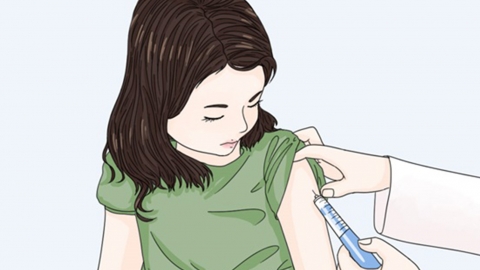
If the girl shows no adverse symptoms such as nausea, abdominal pain, or dizziness after taking the herbal medicine, and her menstrual cycle and flow remain stable without abnormal fluctuations, with overall good health, the herbal ingredients—typically aimed at regulating qi and blood—are unlikely to interact with the meningococcal vaccine or interfere with the immune response triggered by the vaccine. In such cases, vaccination can proceed after medical evaluation.
If the girl develops drug-related reactions such as bloating, diarrhea, or rash after taking the herbal medicine, or is experiencing heavy menstrual bleeding or severe dysmenorrhea, her body may be under physiological stress. Administering the meningococcal vaccine during this time could worsen existing symptoms, and overlapping symptoms might make it difficult to distinguish between side effects from the herbal medicine and those from the vaccine. Therefore, vaccination should be temporarily deferred until symptoms subside, after which a reassessment can be made.
Prior to vaccination, it is essential to inform the doctor about the composition of the herbal medicine, duration of use, and any bodily reactions. The final decision should be made by the physician based on a comprehensive assessment. After vaccination, observe for the required period, keep the injection site clean, and promptly report any persistent discomfort to healthcare providers.


