


Can an ectopic pregnancy be detected with a pregnancy test strip?
May 15, 2026
Source: Cainiu Health

Dr. Zhang Lu
Introduction
Ectopic pregnancy—commonly referred to as “tubal pregnancy”—typically cannot be detected using a home pregnancy test (urine dipstick test), which only indicates whether pregnancy has occurred. If you experience any discomfort or concerning symptoms, prompt medical evaluation is strongly advised. Detailed analysis follows: Once ectopic pregnancy is confirmed, strict adherence to the physician’s treatment plan is essential. During conservative management, patients must remain on bed rest and avoid activities that may trigger rupture of the ectopic mass—such as vigorous exercise, bending over, or straining during bowel movements.
Ectopic pregnancy typically refers to a pregnancy in which the fertilized egg implants outside the uterine cavity. In most cases, a home pregnancy test (urine dipstick test) cannot distinguish an ectopic pregnancy from an intrauterine pregnancy; it only detects whether pregnancy has occurred. If you experience any discomfort or concerning symptoms, prompt medical evaluation is strongly advised. A detailed explanation follows:
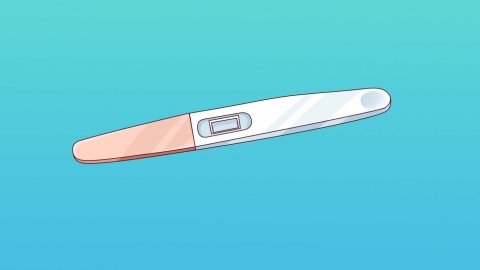
Pregnancy tests work by detecting human chorionic gonadotropin (hCG) in urine. This hormone is produced regardless of whether the fertilized egg implants normally within the uterus or abnormally outside the uterine cavity. Therefore, while a positive pregnancy test confirms pregnancy, it cannot determine the location of implantation. Ectopic pregnancy is an abnormal form of gestation—most commonly occurring in the fallopian tubes, and less frequently in the ovaries or abdominal cavity. Early symptoms often mimic those of normal intrauterine pregnancy, including amenorrhea (missed period) and a positive pregnancy test. However, as the embryo grows, it may cause tubal rupture and life-threatening internal bleeding. Relying solely on a home pregnancy test cannot identify this potentially fatal condition. Definitive diagnosis requires further evaluation, such as transvaginal ultrasound and quantitative serum hCG testing.
Once ectopic pregnancy is confirmed, strict adherence to physician instructions is essential. During conservative management, patients should remain on bed rest and avoid activities that could trigger rupture—such as strenuous exercise, bending over, or straining during bowel movements. Close monitoring for symptoms—including abdominal pain and vaginal bleeding—is critical.



