


What medication works best and fastest for hives?

Generally speaking, there is no such thing as “the best and fastest-acting medication for urticaria.” When urticaria occurs, patients may take medications—including loratadine tablets, cetirizine hydrochloride tablets, ebastine tablets, desloratadine tablets, and chlorphenamine maleate tablets—under the guidance of a physician. A detailed analysis follows:
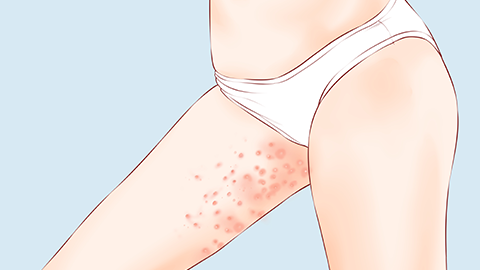
1. Loratadine tablets: These act relatively quickly, are convenient for daily use, effectively relieve common urticarial symptoms such as skin redness and itching, and are suitable for a broad population—particularly appropriate for mild allergic skin reactions.
2. Cetirizine hydrochloride tablets: These stably suppress allergic responses in the body, alleviating wheals (hives) and pruritus (itching). They are suitable for various acute-onset urticaria symptoms, with noticeable relief of discomfort following regular dosing.
3. Ebastine tablets: These have a prolonged duration of action, providing sustained control over allergic states and reducing the frequency of urticaria recurrence. They are ideal for long-term management in individuals experiencing frequent or recurrent symptoms.
4. Desloratadine tablets: These possess relatively mild pharmacological properties and cause minimal bodily irritation; they provide stable relief of allergic skin symptoms and are especially suitable for individuals with weaker constitutions.
5. Chlorphenamine maleate tablets: These exhibit potent antiallergic effects and rapidly alleviate severe pruritus and extensive wheals. They are particularly effective in managing acute urticarial episodes.
After developing urticaria, patients should avoid exposure to allergens such as pollen and dust mites, as well as irritant foods. Skin should be kept dry and clean, and scratching should be minimized. Patients must strictly follow healthcare professionals’ instructions regarding dosage and timing of medication, maintain regular sleep-wake cycles, and reduce external stimuli to the skin—thereby supporting the body’s rapid return to physiological equilibrium.


