


Urticaria Indicates Underlying Health Issues

Generally, urticaria (hives) represents an exaggerated bodily response to various stimuli or allergens, often indicating underlying issues such as external allergic reactions, internal bacterial or viral infections, immune dysfunction, impaired hepatic metabolism, or neuroendocrine imbalance.
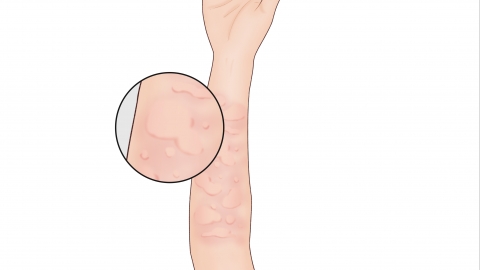
1. External Allergic Reactions
Upon contact with allergens, immune cells become abnormally activated and release bioactive substances that cause cutaneous vasodilation, resulting in wheals and pruritus. To mitigate symptoms, promptly avoid common allergen sources—such as pollen and dust mites—wear skin-friendly clothing, and maintain a light, balanced diet.
2. Internal Bacterial or Viral Infections
Bacterial or viral invasion may establish inflammatory foci within the body; inflammatory mediators subsequently enter systemic circulation, disrupting homeostasis and triggering cutaneous allergic manifestations. Under medical supervision, antibiotics or antivirals—including amoxicillin capsules, ribavirin tablets, or roxithromycin soft capsules—may be prescribed. Additionally, increase intake of warm water to accelerate metabolic turnover and circulatory clearance.
3. Immune Dysfunction
Dysregulation of the immune system impairs its ability to distinguish harmless substances from genuine threats, leading to recurrent, excessive defensive responses and persistent urticaria. Immunomodulatory agents—including thymopeptide enteric-coated tablets, transfer factor oral solution, or pidotimod granules—may be administered per physician guidance. Complement pharmacotherapy with regular, low-intensity physical activity to gradually restore physiological balance.
4. Impaired Hepatic Metabolism
Reduced liver detoxification capacity results in accumulation of endogenous toxins, which chronically irritate the skin and provoke discomfort. Hepatoprotective agents—including hepatoprotective tablets, silybin capsules, or compound glycyrrhizin tablets—may be used as directed. Concurrently, limit consumption of high-fat and high-oil foods and strictly abstain from alcohol.
5. Neuroendocrine Imbalance
Prolonged psychological stress or irregular sleep-wake cycles disrupt normal hormonal secretion patterns; resultant hormonal fluctuations directly affect skin integrity and increase susceptibility to urticarial flares. Practice effective emotional regulation, maintain consistent daily routines, and cultivate relaxation—both mentally and physically—before bedtime.
In daily life, adhere to a light, nutritious diet; ensure living spaces remain dry and well-ventilated; develop healthy emotional coping strategies; undergo routine baseline health examinations; and support internal organ function through holistic, integrative approaches—thereby reducing the frequency of cutaneous allergic disorders.


