


Should people with urticaria bathe frequently or infrequently?

Generally, the frequency of bathing for individuals with urticaria should be determined based on the severity of symptoms. If discomfort occurs, prompt medical consultation is recommended. A detailed analysis follows:
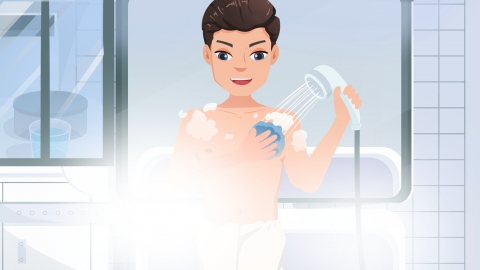
When symptoms are mild—such as absence of widespread wheals and absence of severe pruritus—bathing may be performed more frequently. Regular bathing helps maintain skin cleanliness and reduces external irritants like dust and sweat, thereby lowering the risk of symptom exacerbation. Use lukewarm water (32–38°C) and avoid harsh or irritating cleansers. After bathing, gently pat the skin dry and apply a moisturizer promptly.
When symptoms are severe—characterized by widespread wheals, marked erythema, and intense pruritus—the bathing frequency should be reduced. Frequent bathing may repeatedly irritate the skin, exacerbate vasodilation, increase wheal formation, and intensify itching. It is advisable to limit bathing to fewer sessions per week, keeping each session to 5–10 minutes and avoiding vigorous scrubbing or rubbing of the skin.
Water temperature during bathing should be maintained between 32°C and 38°C—avoiding extremes of cold or heat. Select gentle, non-irritating cleansing products. Immediately after bathing, apply a moisturizing cream to reinforce the skin barrier. If symptoms worsen following bathing, discontinue bathing immediately and seek medical attention promptly; follow your physician’s guidance for further management.


