


Will urticaria resolve on its own without treatment?

Generally, urticaria (hives) may resolve spontaneously; however, whether it will do so depends on the specific circumstances—spontaneous resolution does not occur in all cases. If symptoms progressively worsen or become increasingly uncomfortable, prompt medical consultation is recommended. A detailed analysis follows:
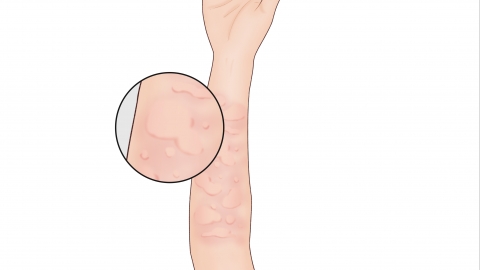
Mild urticaria with a clearly identifiable trigger may resolve spontaneously. Such cases are often caused by a single exposure to an allergen and present only with a few wheals and mild pruritus, without systemic symptoms. Once the allergen is avoided and skin dryness maintained, the body’s immune system can gradually self-regulate, leading to spontaneous symptom resolution within several days—no specific intervention is required.
Severe urticaria or cases with unclear triggers generally do not resolve spontaneously. These often manifest as widespread wheals, intense pruritus, recurrent episodes, and/or systemic symptoms such as abdominal pain or dizziness. They are frequently associated with underlying factors including immune dysregulation or chronic infection. Without timely intervention, symptoms tend to persist and worsen, potentially impairing daily functioning; targeted management is therefore essential for symptom relief.
Avoid known allergens; cleanse the skin with lukewarm water; refrain from vigorous scratching; wear loose-fitting, soft clothing to minimize skin friction and irritation. Maintain regular sleep-wake cycles and a balanced diet; avoid spicy, pungent, or seafood-based foods; practice stress reduction and emotional regulation to support stable immune function and reduce the likelihood of symptom onset or exacerbation.


