


What Are the Symptoms and Treatment Options for Allergic Rhinitis?

Under normal circumstances, the primary symptoms of allergic rhinitis include nasal itching, paroxysmal sneezing, watery nasal discharge, reduced sense of smell, and nasal congestion. Patients may alleviate these symptoms through allergen avoidance, pharmacotherapy, immunotherapy, nasal irrigation, and surgical intervention. A detailed analysis follows:
I. Symptoms
1. Nasal Itching
A pronounced itching sensation occurs inside the nasal cavity. In some individuals, this may extend to the periorbital area, pharynx, and ear canal, prompting frequent nose- and eye-rubbing. Nasal mucosal irritation leads to persistent discomfort, which intensifies markedly upon exposure to common allergens such as pollen or house-dust mites.
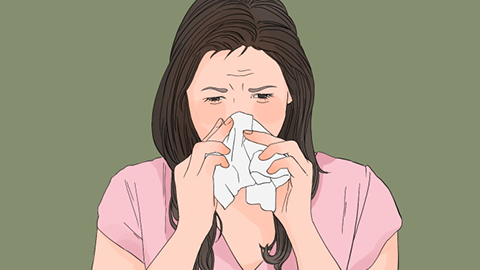
2. Paroxysmal Sneezing
Episodes involve multiple consecutive sneezes—not isolated, mild sneezes—often occurring in rapid succession (e.g., several to over a dozen). These episodes frequently cluster upon waking, during nighttime, or when entering environments with significant temperature fluctuations. Onset is abrupt and difficult to suppress voluntarily.
3. Watery Rhinorrhea
The nasal cavity continuously discharges thin, clear, watery mucus. Flow volume varies, sometimes becoming profuse enough to drip uncontrollably. Unlike purulent or mucopurulent nasal discharge seen in common colds, this discharge remains thin and colorless—never thick, yellow, or green.
4. Hyposmia (Reduced Sense of Smell)
Chronic mucosal edema and congestion obstruct the olfactory region, resulting in diminished olfactory acuity. Patients may struggle to distinguish fragrances or unpleasant odors. In mild cases, olfaction fluctuates; with recurrent episodes, hyposmia progressively worsens.
5. Nasal Congestion
Unilateral or bilateral nasal obstruction occurs. Symptoms are typically milder during daytime activity but significantly worsen at night while lying supine, often leading to mouth breathing during sleep, snoring, and general respiratory discomfort.
II. Treatment Approaches
1. Allergen Avoidance
Patients should first identify their specific allergens and actively avoid common triggers—including pollen, dust mites, pet dander, cold air, and strong irritant odors. At home, maintain regular ventilation, wash bedding and curtains frequently, and wear masks outdoors for added protection. Minimizing mucosal exposure to allergens at the source effectively reduces symptom frequency.
2. Pharmacotherapy
Medication remains the most widely used therapeutic strategy for allergic rhinitis. Under physician guidance, patients may use antihistamines (e.g., cetirizine hydrochloride tablets, loratadine tablets) and intranasal corticosteroids (e.g., mometasone furoate nasal spray) to rapidly relieve nasal itching, sneezing, rhinorrhea, and congestion, thereby stabilizing local inflammatory responses.
3. Immunotherapy
Immunotherapy is a targeted, long-term approach involving gradual, controlled exposure to minute amounts of identified allergens. This process helps the immune system develop tolerance, modulating overall immune reactivity. With sustained treatment, allergic responses diminish, underlying atopy improves, and disease recurrence decreases—making it especially suitable for patients with perennial allergic rhinitis.
4. Nasal Irrigation
Nasal irrigation is a gentle, safe physical therapy commonly performed using sterile isotonic saline solution. It effectively removes adherent allergens, dust particles, and inflammatory secretions from the nasal cavity, moisturizes the mucosa, reduces edema, and clears nasal passages—thereby alleviating congestion. It can be safely incorporated into daily routine care.
5. Surgical Intervention
Surgery is reserved for patients with severe, refractory disease unresponsive to conservative management. Indications include structural abnormalities (e.g., deviated septum) or marked turbinate hypertrophy. Targeted procedures aim to restore nasal airflow, resolve chronic, intractable congestion, and improve overall respiratory comfort and quality of life.
In addition, patients should maintain regular sleep-wake cycles, engage in moderate exercise to strengthen constitution, and take precautions against cold exposure. Strict adherence to medical instructions—including consistent medication use—is essential; self-adjustment or premature discontinuation of therapy must be avoided.


