


What is the optimal treatment regimen for Henoch-Schönlein purpura?

Generally speaking, there is no universally accepted “optimal treatment regimen” for Henoch-Schönlein purpura (HSP). Treatment approaches primarily include general management, pharmacotherapy, traditional Chinese medicine (TCM), immunomodulatory therapy, and symptomatic supportive care. If any discomfort or symptoms arise, prompt medical consultation is strongly recommended. A detailed analysis follows:
1. General Management
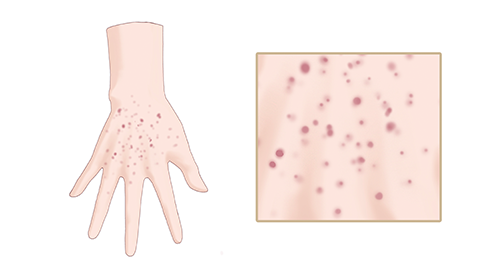
Patients must identify and avoid the causative allergen(s). Once the specific allergen is confirmed, strict avoidance is essential to prevent disease exacerbation or recurrence. Daily routines should emphasize adequate rest and avoidance of excessive physical exertion. Dietary modifications are advised—spicy and irritating foods should be avoided, while vitamin supplementation (particularly vitamin C) helps maintain vascular wall integrity. Additionally, skin hygiene must be maintained, and scratching should be avoided to prevent skin trauma and secondary infection.
2. Pharmacotherapy
Medication is a commonly employed treatment modality for HSP. Under physician guidance, patients may use drugs such as cetirizine hydrochloride tablets, fexofenadine hydrochloride tablets, loratadine hydrochloride capsules, prednisone acetate tablets, and vitamin C tablets. These agents help suppress allergic reactions, reduce vascular inflammation, and enhance vascular resistance—thereby alleviating symptoms in a targeted manner.
3. Traditional Chinese Medicine (TCM)
According to TCM theory, HSP is associated with internal heat excess in the blood and deficiency of qi and blood. Treatment typically involves herbs that clear heat, cool the blood, tonify qi, and arrest bleeding—such as Imperata cylindrica rhizome (Bai Mao Gen), Astragalus membranaceus (Huang Qi), and Lithospermum erythrorhizon (Zi Cao). Acupuncture helps regulate qi and blood flow and balance meridian function, while herbal fumigation and washes applied topically can directly alleviate cutaneous purpura, swelling, and pain.
4. Immunomodulatory Therapy
Immunomodulatory therapy aims to restore normal immune system function and correct aberrant immune responses. Common strategies include administration of immunomodulators (e.g., via injection) and oral immunosuppressants. Immunomodulators enhance the activity of immune cells, whereas immunosuppressants dampen excessive immune activation—thus protecting affected organs and reducing the risk of disease relapse.
5. Symptomatic Supportive Care
Symptomatic supportive treatment targets specific clinical manifestations. For example, nonsteroidal anti-inflammatory drugs (NSAIDs) may be used to relieve arthralgia and joint swelling; gastrointestinal bleeding necessitates fasting and administration of gastric mucosal protectants; and renal involvement requires adjunctive nephroprotective medications to assist in disease control and symptom relief.
In addition, patients must strictly adhere to prescribed medication regimens and undergo regular follow-up examinations during treatment to closely monitor disease progression. Should symptoms worsen or other abnormalities emerge during therapy, immediate medical evaluation is essential to adjust the treatment plan promptly and prevent complications.


