


What Is Peritoneal Dialysis Treatment?

Generally, peritoneal dialysis (PD) is a renal replacement therapy that utilizes the patient’s own peritoneum as a semipermeable membrane to continuously remove metabolic waste products and excess fluid from the body. If any discomfort or adverse symptoms occur, prompt medical consultation is recommended. A detailed explanation follows:
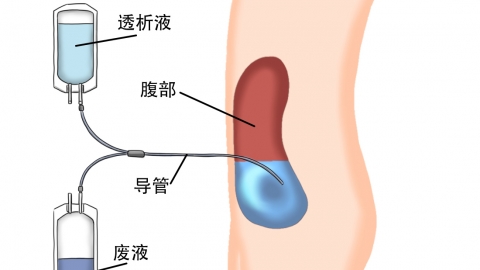
Peritoneal dialysis employs the patient’s natural peritoneum as a dialysis membrane. Dialysate is infused into the peritoneal cavity, where solutes (e.g., urea) and excess water are removed via diffusion and convection across the peritoneum. This treatment also helps correct electrolyte imbalances and acid-base disorders. It is indicated for patients with severely impaired kidney function who are unable to adequately excrete waste products such as urea.
For daily care, maintain cleanliness and dryness at the peritoneal catheter exit site to prevent infection; inspect the site daily for signs of redness, swelling, or discharge. Strictly adhere to prescribed protocols for preparing and administering dialysate, and carefully monitor dialysis duration and volume. Dietary management should include restriction of fluid, sodium, and protein intake to avoid overburdening the body. Regularly monitor body weight, blood pressure, and serum electrolytes; seek immediate medical attention if any symptoms of discomfort arise.


